12 signs it’s time to get new doors and windows
12 signs it’s time to get new doors and windows

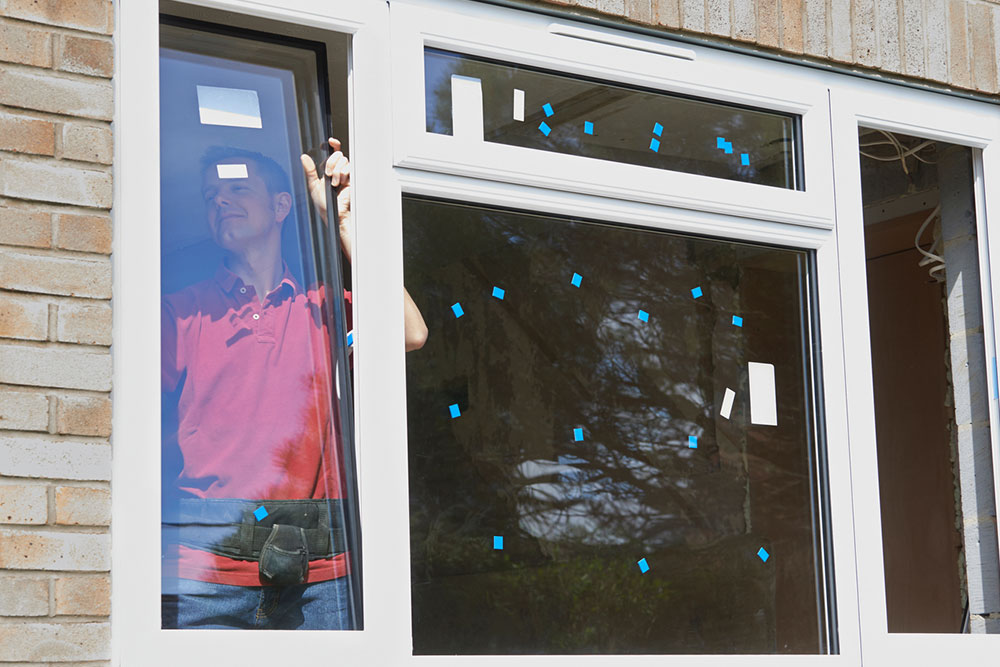
Doors and windows connect homes to the world. However, as they are part of the home’s exterior, they are constantly exposed to external elements like wind, snow, rain, and dust. Additionally, even room and patio doors are used extensively, undergoing quite a bit of wear and tear. So, it’s necessary to maintain all doors and windows, regularly look for issues, and get them replaced if one notices the following signs:

Signs to replace doors

1. Wide gaps
With time, the gaps between the front doors and the floor beneath them may begin to widen, or the doors can get misaligned. This can make the door let in cold air. If that is the case, it is a clear sign that the door needs to be replaced or at least repaired.

2. Cracks
Harsh winds, extreme winters, excessive moisture, or rough use—any of these factors can speed up door wear and tear. While some of these cracks can get repaired, the situation may get out of hand after a point if cracks keep developing. That’s when the door needs to be replaced. Garden and patio doors are particularly vulnerable to such wear and tear because they are directly exposed to such elements.

3. Excessive creaking
If a door’s hinges creak, they can be fixed with lubricants. But if they continue creaking despite such measures, it probably means the door has become too old for repair and needs to be replaced. The creaking noise can be quite bothersome, so one should address this sign and get it fixed.

4. Jammed doors
Doors that get jammed too frequently can be inconvenient. These doors tend to get stuck when one tries to open or close them. Initially, one can try getting the door repaired or oiled, but the door may need to be changed if these measures do not work. 

5. Scratches and dents
It is natural for a door to undergo wear and tear with time as it is used so frequently. Scratches and dents on the door’s surfaces are signs of damage that need to be addressed. Not only does the damage make the door lose its visual appeal, it may be an initial sign of structural damage that will only worsen with time.

6. Moisture accumulation
It is normal for doors to come in contact with water, but in the case of old doors, excessive moisture may accumulate on the surfaces, hinges, and frames. If the moisture makes the door swell and/or develops bubbles on its surface, it could encourage mold growth. One may have to get a new door if the moisture damage is severe.

Signs to replace windows

7. Wear and tear and moisture damage
Similar to doors, windows with visible signs of wear and tear or moisture damage may need to be replaced as the damage can worsen with time. If left unchecked, the windows can develop rot, cracks, and other types of structural damage.

8. Poor sound insulation
Sound insulation is a major function of windows, as they are supposed to keep external noises at bay when shut. So, if a window cannot block external noises as it should, it may be a sign that it is not functioning properly and needs to be replaced. One should address this issue, as noise pollution is not only disturbing but also harmful to health.

9. Difficulty opening or shutting the windows
Opening and shutting windows should not require excessive effort, regardless of the type of window. If one finds it difficult to open and shut windows despite oiling and maintaining them regularly, one should get them changed.

10. Broken panes
The window pane should be sturdy and resilient so that it protects the home from external factors like dust, noise, and harsh weather. Windows with broken glasses cannot perform these functions, so one may need to replace the panes in such cases.

11. Outdated design
A window’s visual appeal is just as important as its utility, as it’s among the first things visitors may notice in a home. So, if the window in a home has a design that’s no longer functional and/or visually appealing, one may want to look for windows with the latest designs to enhance their appeal.

12. Sudden surges in electricity bills
Windows play an important role in keeping a home ventilated and insulated, depending on the weather outside. However, malfunctioning windows may not be able to regulate temperature as they should, leading to a sudden surge in electricity bills. If one notices this sign, apart from checking home appliances, one should also inspect windows. Here, replacing faulty windows might be a solution. 

How to pick the right doors and windows?
With the wide variety of window and door designs available today, one actually has a lot of options to consider. However, picking the right doors and windows requires research on the latest designs and other factors, such as the climatic conditions, the materials used to manufacture the doors and windows, sound insulation, price, manufacturer reputation, and sturdiness. One should inspect doors and windows in person before buying. One should also seek recommendations from family members, friends, and acquaintances on their preferred door and window brands and designs.

Featured Articles

11 common migraine causing odors
health

11 common migraine causing odors

Migraine is a neurological disorder characterized by severe, pulsating headaches often accompanied by nausea, vomiting, and extreme sensitivity to light and sound. While the exact cause of migraines remains elusive, various triggers have been identified, including certain odors. Odor-triggered migraines can be particularly challenging to manage and treat. Below are some familiar smells that may trigger the condition, simple strategies to cope with them, and other factors that can trigger migraines. Why do certain odors cause migraine? The phenomenon of migraine headaches due to odor sensitivity is called osmophobia or olfactory migraines. The exact mechanism by which odors trigger migraines is not fully understood, but several theories exist. One is sensory overload, wherein strong odors overload the brain’s sensory processing, leading to a migraine in individuals susceptible to sensory triggers. Some people may also have heightened sensitivity to certain chemicals found in odorous substances. When exposed to these chemicals, their bodies may react with a migraine. Lastly, odors can activate specific neural pathways in the brain, potentially triggering migraine pathways in those predisposed to migraines. Odors that may trigger migraine Perfumes and fragrances Perfumes and strong fragrances are among the most common migraine triggers. The synthetic chemicals in many perfumes can overwhelm the olfactory system, leading to migraines in susceptible individuals.
10 things one should never clean with paper towels
Home

10 things one should never clean with paper towels

Paper towels are a common household item, being versatile and easy to use for quick cleanup in the kitchen and other spaces. However, they should be avoided when trying to clean certain things, as the chemical composition and physical nature of paper towels may not work well for all surfaces. So, to help one avoid irreversible damage, here is a look at 10 things that should never be cleaned with a paper towel: 1. Glass surfaces Glass surfaces, such as mirrors and windows, are smooth and can scratch easily. Even tiny scratches on them can ruin their appearance. So, additional care is required when wiping these surfaces. If paper towels are used to clean them, they may leave behind lint and streaks on the glass. So, to achieve a streak-free shine, it is better to use a newspaper or a microfiber cloth with a glass cleaner. These alternatives can make the glass surfaces look crystal clear without leaving behind scratches or streaks. 2. Eyewear Eyewear, such as eyeglasses and sunglasses, need to be free from smudges and scratches to provide a clear vision. Additionally, they have a sensitive surface that can get scratched easily, also affecting their utility. So, using paper towels to clean eyewear can leave behind fine scratches because even though they seem gentle, paper towels can be abrasive in nature.
17 surprising things not allowed on a cruise ship
travel

17 surprising things not allowed on a cruise ship

Cruising the high seas is a sought-after attraction for many travelers, offering the perfect blend of relaxation and adventure. While cruise ships are known for their luxurious amenities and all-inclusive packages, passengers must abide by certain rules and regulations to ensure a safe and enjoyable journey. These restrictions extend to carrying certain items on the ship. While some might seem obvious, there are several items that one may not know are forbidden on ships. 1. Irons and steamers Wrinkled clothes might be a pet peeve for many, but cruise ships don’t allow irons or steamers in cabins. This is mainly to avoid any items that can lead to fire hazards. One can instead carry wrinkle-release products for a quick fix. Many ships also offer laundry services to keep one’s attire wrinkle-free, but it’s best to check beforehand with the cruise ship about this particular service. 2. Household appliances Like clothing irons and steamers, coffee makers, kettles, toasters, hot plates, and other household appliances that generate heat are considered to pose a fire risk and are not allowed aboard. That said, a hair dryer, curling iron, straightener, or portable electric fan are some things that are allowed. 3. Electric blankets Electric blankets may be confiscated during embarkation since they could compromise safety protocols, and cruise lines maintain strict fire prevention measures to protect passengers and crew.
7 cruises to avoid
travel

7 cruises to avoid

A cruise vacation can be exciting, with all kinds of onboard events to look forward to and a charming itinerary filled with nightlight, buffets, and the open seas. However, not every cruise package is created equal, and some trips on the sea can be underwhelming. So, it is important to do a little research before booking a cruise and choose top-rated options. Further, here are a few cruises to avoid for a hassle-free vacation: 1. Short cruises during spring break A cruise trip during spring break can seem ideal because of the perfect weather in places like the Caribbean. Even the ports are not too crowded, and one can take kids along during their school break. However, even college students get a break during this time and tend to book cruise trips. So, the cruise ship can get overwhelming and chaotic because of the noise and non-stop partying. Instead, one should book a cruise to the Caribbean during January if they want a more relaxing experience at the sea. If one must book one during spring break, they should look for less party-centric cruise lines. 2. First and last Alaska cruises of the season Destinations like Alaska are perfect spots for tourists because of the rainy weather and luscious green mountains they can experience.

Top Articles

Nail fungal infection – Causes, symptoms, and management
health

Nail fungal infection – Causes, symptoms, and management

Fungus is normally present in the body, but when there is an overgrowth, it can lead to infection. One common infection is nail fungal infection, or onychomycosis or tinea unguium. It usually affects the toenails rather than the fingernails, causing them to become brittle and discolored. This infection develops over time, so any changes to the affected nails may be subtle initially. Here are some common types, causes, symptoms, and treatment measures for nail fungal infections. Types of nail fungal infections In general, there are four types of nail fungal infections. Distal or lateral subungual onychomycosis This is a common nail fungal infection caused by a type of fungus known as dermatophyte. This infection can occur in both toenails and fingernails. It usually starts as a yellowish-colored patch in the nail bed, right under the nail. Over time, this patch spreads to the center of the nail from the edges, causing the nail to separate from the nail bed. Candidal onychomycosis This type of infection is caused by yeast. It mostly occurs in the fingernails. The yeast causes the area around the infected nail to become inflamed and swollen. Sometimes, the nail might come off entirely from the nail bed.
Bipolar disorder – Its types and early signs
health

Bipolar disorder – Its types and early signs

Bipolar disorder is a mental health disorder characterized by extreme moods, either significantly high or low. The high periods are referred to as mania or hypomania, and the low moods are called depression. However, the moods can sometimes be concurrent, meaning individuals with bipolar disorder may have manic and depressive symptoms at once. The condition is usually difficult to diagnose; however, some signs can detect bipolar disorder early, and treatment can be started accordingly. Types and symptoms Often, the signs and symptoms of bipolar disorder overlap with those of other conditions, so it becomes difficult to diagnose it timely, which can delay treatment. However, there are now some criteria laid out by the Diagnostic and Statistical Manual of Mental Disorders that help recognize bipolar disorder. There are four types of bipolar disorders, and the symptoms vary according to the type of the condition. These are as follows: 1. Bipolar I This type is diagnosed when the individual experiences manic episodes. The symptoms are as follows: This includes a significant shift in the behavior and mood of the person. These mood changes are often unlike the person’s personality or usual behavior, making it evident that something is wrong. A manic episode is also considered manic when it is present most of the day and nearly daily.
8 early signs of seizures
health

8 early signs of seizures

Seizures occur when changes in the brain’s electrical activity cause sudden changes in movement, sensation, awareness, thought, or behavior. Depending on the part of the brain involved, they are categorized into three main types – focal onset seizures, generalized onset seizures, and unknown onset seizures. Although seizures may present themselves differently and with varying intensities, recognizing their early signs is crucial for timely support and intervention. Some of the most commonly reported signs of a seizure include: Aura People who experience seizures often describe feeling an aura beforehand. This sensation can include a variety of feelings, such as visual, auditory, or olfactory sensations, pain, numbness, or headaches. Some examples of aura symptoms include a wave-like sensation that travels through the head, twitching or stiffening of the arm or hand, a feeling of falling or riding a roller coaster in the stomach, an unusual taste or smell, hearing unexplained sounds or music, experiencing sudden, intense emotions like fear, happiness, or anxiety, tingling or numbness, hallucinations, or seeing colored or flashing lights. According to research, around 65 percent of people with generalized epilepsy experience seizures. Auras can be a warning sign of an oncoming seizure, signaling that it may be time to seek assistance and move to a safer place.
Hypoglycemia – 10 signs of low blood sugar
health

Hypoglycemia – 10 signs of low blood sugar

A low blood sugar level is a condition referred to as hypoglycemia. This condition is recognized when the blood sugar level drops below 70 mg/dl, and steps are needed to bring it back up to a healthy number. This type of blood sugar drop is especially common in type 1 diabetes. Some symptoms can help diagnose low blood sugar levels that impact health, and here are some observations to keep in mind. 1. Extreme hunger This is one of the typical signs and symptoms of a low blood sugar level. This is the body’s way of communicating that it needs food to raise its glucose levels. Some people may eat sugary substances to get that spike, but other foods can also help raise the glucose level. Carbohydrates help solve this issue; however, eating the right amount of carbohydrates to help in this situation is essential and can vary from person to person. So, always consult a nutritionist to know how to manage glucose levels when this symptom occurs. 2. Restless nights Nocturnal hypoglycemia is the term used to describe low blood sugar levels at night in a diabetic person. In this, the individual may experience signs and symptoms like night sweats, unrest, and confusion once awake, as well as episodes of waking up suddenly.
11 foods that may worsen COPD symptoms
health

11 foods that may worsen COPD symptoms

COPD, or chronic obstructive pulmonary disease, is a group of conditions that affect the lungs. Emphysema or chronic bronchitis are two of the most common forms of COPD. While it has no absolute cure, certain treatment options can help relieve the symptoms. One of the ways to manage and improve respiratory health is to monitor what one eats and recognize foods that can worsen COPD symptoms. So, here are a few foods to avoid: Sugary foods Foods rich in refined sugar, like baked goods, cookies, candies, sweet rolls, pies, and cobblers, can increase blood sugar levels and bloating. Furthermore, these foods can cause frequent energy crashes, making one feel fatigued. All of these factors can worsen COPD symptoms like wheezing, coughing, and breathlessness. Salty foods Frozen foods, salted nuts, and takeout meals may have a high amount of salt (sodium). Excessive sodium can make the body retain fluids. For those with COPD, this means an elevated risk of pulmonary hypertension or high blood pressure in the arteries of the lungs. These issues can lead to other COPD complications as well. So, it is important to monitor daily salt intake by checking food labels and choosing foods with low sodium. Processed meat Cured or processed meat has been associated with several health issues, including the worsening of COPD symptoms.
Stomach cancer and desmoid tumors – What they are and how they differ
health

Stomach cancer and desmoid tumors – What they are and how they differ

Stomach cancer and desmoid tumors are serious health conditions characterized by the unchecked growth of abnormal cells or tissues in one’s body. These diseases primarily affect the stomach and adjacent bodily structures, potentially impacting one’s overall well-being. Understanding how these conditions affect one’s organs, their different features and similarities, early signs, and available treatment options is essential for proactive healthcare management. Here is what one needs to know about both conditions: Gastric cancer and desmoid tumors – What they are Gastric cancer is also known as stomach cancer. It is characterized by the uncontrolled growth of abnormal cells within the inner stomach lining. These cells accumulate, forming a tumor that can invade nearby tissues and, in later stages, spread to distant parts of the body, a process known as metastasis. Genetic factors, previous stomach conditions like GERD or ulcers, or overexposure to coal, metal, or rubber can influence stomach cancer. Desmoid tumors, on the other hand, are abnormal growths that develop from the body’s connective tissues. Connective tissues serve as a support and link between one’s bones, ligaments, and muscles. A desmoid tumor is an extremely rare disease and usually grows slowly. Unlike cancer, these tumors don’t spread to other body parts.