7 fashion mistakes to avoid in the winter
Fashion

7 fashion mistakes to avoid in the winter

Looking fashionable and sophisticated during the freezing winter months doesn’t have to take a backseat! Saying goodbye to one’s summer wardrobe can be difficult. However, there is nothing quite like the snug, comfortable clothing options available in the winter. As one prepares to swap out their dresses, linen shirts, and shorts with cashmere knits, jumpers, and coats for the winter season, here are a few winter fashion mistakes to avoid: 1. Skipping layers Staying warm is essential to reducing the risk of hypothermia in colder seasons. One of the best ways to do so is by layering. This allows for customization to maintain the right body temperature. When layering, it is important to ensure that the layers are snug and allow air to circulate. This can help improve insulation against the cold. Always ensure that the last layer is the longest and sits well over the other layers; otherwise, one might end up looking frumpy. Keep the following in mind when choosing the layers: Base layer Opt for a snug undershirt as the base layer. This is the first layer of defense against the cold. In cases of temperature shifts, the undershirt can absorb or trap sweat, reducing the risk of shivering or chills.

11 common jewelry mistakes to avoid
Fashion

11 common jewelry mistakes to avoid

Jewelry is often used as a form of self-expression. It can elevate a look and draw attention to one’s features or specific clothing. Pieces like bracelets, rings, broaches, hair ornaments, and necklaces can add quite a flair to one’s appearance. As with clothes, multiple rules apply to styling and storing jewelry, and it is easy to make mistakes. This article discusses some common jewelry mistakes and simple tips to avoid them. 1. Storing jewelry improperly One of the biggest mistakes people make when it comes to jewelry is storing it incorrectly, which can impact its condition and appearance. Jewelry must always be stored away from free-flowing air and humidity, as these factors can tarnish its appearance. Keeping everything together in a large box may also lead to scratches and physical damage to these prized possessions. Instead, invest in special jewelry boxes or rolls to store jewelry safely. One may also keep each item in padded boxes to limit exposure to humidity and air. 2. Forgetting to clean it regularly Since jewelry is worn against the skin and exposed to natural and chemical elements for hours, it also needs special care and attention. However, many people forget to clean their jewelry regularly.
Best sports jerseys to wear casually and how to style them
Fashion

Best sports jerseys to wear casually and how to style them

Sports jerseys help create a sense of unity and identity among a team’s players. Teams keep updating them and roll out unique designs each time. In recent years, there has also been a heightened focus on jersey aesthetics, which has brought them out of stadiums and onto the streets. Sports jerseys have transitioned to casual wear and make a staple for many wardrobes, but choosing the right ones and styling them might require some effort. Types of sports jerseys that can be worn casually Sports jerseys can be worn on several occasions. One can choose a type based on their preferences. Classic retro jerseys Although sports clubs change their jerseys frequently, certain pieces are always in style.  In fact,  these classic retro jerseys, with their timeless color schemes and striking graphics, may even be more memorable than the most recent ones. Individuals can get vintage designs and old-school logos of their favorite teams and pair them with jeans, shorts, or even skirts when the mood strikes. Fashion-forward jerseys Some might want to step away from classics and flaunt a more trendy look. Such individuals can opt for contemporary styles that feature unique cuts, asymmetrical designs, or unconventional color combinations. These sports jerseys can help the wearer make a fashion statement while expressing their love for the sport.

Top Articles

Nail fungal infection – Causes, symptoms, and management
health

Nail fungal infection – Causes, symptoms, and management

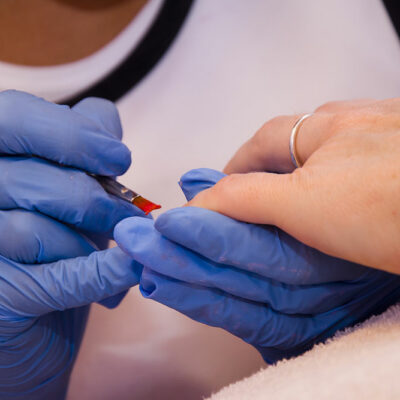
Fungus is normally present in the body, but when there is an overgrowth, it can lead to infection. One common infection is nail fungal infection, or onychomycosis or tinea unguium. It usually affects the toenails rather than the fingernails, causing them to become brittle and discolored. This infection develops over time, so any changes to the affected nails may be subtle initially. Here are some common types, causes, symptoms, and treatment measures for nail fungal infections. Types of nail fungal infections In general, there are four types of nail fungal infections. Distal or lateral subungual onychomycosis This is a common nail fungal infection caused by a type of fungus known as dermatophyte. This infection can occur in both toenails and fingernails. It usually starts as a yellowish-colored patch in the nail bed, right under the nail. Over time, this patch spreads to the center of the nail from the edges, causing the nail to separate from the nail bed. Candidal onychomycosis This type of infection is caused by yeast. It mostly occurs in the fingernails. The yeast causes the area around the infected nail to become inflamed and swollen. Sometimes, the nail might come off entirely from the nail bed.
Bipolar disorder – Its types and early signs
health

Bipolar disorder – Its types and early signs

Bipolar disorder is a mental health disorder characterized by extreme moods, either significantly high or low. The high periods are referred to as mania or hypomania, and the low moods are called depression. However, the moods can sometimes be concurrent, meaning individuals with bipolar disorder may have manic and depressive symptoms at once. The condition is usually difficult to diagnose; however, some signs can detect bipolar disorder early, and treatment can be started accordingly. Types and symptoms Often, the signs and symptoms of bipolar disorder overlap with those of other conditions, so it becomes difficult to diagnose it timely, which can delay treatment. However, there are now some criteria laid out by the Diagnostic and Statistical Manual of Mental Disorders that help recognize bipolar disorder. There are four types of bipolar disorders, and the symptoms vary according to the type of the condition. These are as follows: 1. Bipolar I This type is diagnosed when the individual experiences manic episodes. The symptoms are as follows: This includes a significant shift in the behavior and mood of the person. These mood changes are often unlike the person’s personality or usual behavior, making it evident that something is wrong. A manic episode is also considered manic when it is present most of the day and nearly daily.
8 early signs of seizures
health

8 early signs of seizures

Seizures occur when changes in the brain’s electrical activity cause sudden changes in movement, sensation, awareness, thought, or behavior. Depending on the part of the brain involved, they are categorized into three main types – focal onset seizures, generalized onset seizures, and unknown onset seizures. Although seizures may present themselves differently and with varying intensities, recognizing their early signs is crucial for timely support and intervention. Some of the most commonly reported signs of a seizure include: Aura People who experience seizures often describe feeling an aura beforehand. This sensation can include a variety of feelings, such as visual, auditory, or olfactory sensations, pain, numbness, or headaches. Some examples of aura symptoms include a wave-like sensation that travels through the head, twitching or stiffening of the arm or hand, a feeling of falling or riding a roller coaster in the stomach, an unusual taste or smell, hearing unexplained sounds or music, experiencing sudden, intense emotions like fear, happiness, or anxiety, tingling or numbness, hallucinations, or seeing colored or flashing lights. According to research, around 65 percent of people with generalized epilepsy experience seizures. Auras can be a warning sign of an oncoming seizure, signaling that it may be time to seek assistance and move to a safer place.
Hypoglycemia – 10 signs of low blood sugar
health

Hypoglycemia – 10 signs of low blood sugar

A low blood sugar level is a condition referred to as hypoglycemia. This condition is recognized when the blood sugar level drops below 70 mg/dl, and steps are needed to bring it back up to a healthy number. This type of blood sugar drop is especially common in type 1 diabetes. Some symptoms can help diagnose low blood sugar levels that impact health, and here are some observations to keep in mind. 1. Extreme hunger This is one of the typical signs and symptoms of a low blood sugar level. This is the body’s way of communicating that it needs food to raise its glucose levels. Some people may eat sugary substances to get that spike, but other foods can also help raise the glucose level. Carbohydrates help solve this issue; however, eating the right amount of carbohydrates to help in this situation is essential and can vary from person to person. So, always consult a nutritionist to know how to manage glucose levels when this symptom occurs. 2. Restless nights Nocturnal hypoglycemia is the term used to describe low blood sugar levels at night in a diabetic person. In this, the individual may experience signs and symptoms like night sweats, unrest, and confusion once awake, as well as episodes of waking up suddenly.
11 foods that may worsen COPD symptoms
health

11 foods that may worsen COPD symptoms

COPD, or chronic obstructive pulmonary disease, is a group of conditions that affect the lungs. Emphysema or chronic bronchitis are two of the most common forms of COPD. While it has no absolute cure, certain treatment options can help relieve the symptoms. One of the ways to manage and improve respiratory health is to monitor what one eats and recognize foods that can worsen COPD symptoms. So, here are a few foods to avoid: Sugary foods Foods rich in refined sugar, like baked goods, cookies, candies, sweet rolls, pies, and cobblers, can increase blood sugar levels and bloating. Furthermore, these foods can cause frequent energy crashes, making one feel fatigued. All of these factors can worsen COPD symptoms like wheezing, coughing, and breathlessness. Salty foods Frozen foods, salted nuts, and takeout meals may have a high amount of salt (sodium). Excessive sodium can make the body retain fluids. For those with COPD, this means an elevated risk of pulmonary hypertension or high blood pressure in the arteries of the lungs. These issues can lead to other COPD complications as well. So, it is important to monitor daily salt intake by checking food labels and choosing foods with low sodium. Processed meat Cured or processed meat has been associated with several health issues, including the worsening of COPD symptoms.
Stomach cancer and desmoid tumors – What they are and how they differ
health

Stomach cancer and desmoid tumors – What they are and how they differ

Stomach cancer and desmoid tumors are serious health conditions characterized by the unchecked growth of abnormal cells or tissues in one’s body. These diseases primarily affect the stomach and adjacent bodily structures, potentially impacting one’s overall well-being. Understanding how these conditions affect one’s organs, their different features and similarities, early signs, and available treatment options is essential for proactive healthcare management. Here is what one needs to know about both conditions: Gastric cancer and desmoid tumors – What they are Gastric cancer is also known as stomach cancer. It is characterized by the uncontrolled growth of abnormal cells within the inner stomach lining. These cells accumulate, forming a tumor that can invade nearby tissues and, in later stages, spread to distant parts of the body, a process known as metastasis. Genetic factors, previous stomach conditions like GERD or ulcers, or overexposure to coal, metal, or rubber can influence stomach cancer. Desmoid tumors, on the other hand, are abnormal growths that develop from the body’s connective tissues. Connective tissues serve as a support and link between one’s bones, ligaments, and muscles. A desmoid tumor is an extremely rare disease and usually grows slowly. Unlike cancer, these tumors don’t spread to other body parts.