9 foods that are harmful for pets
Pets

9 foods that are harmful for pets

Many pet owners prefer to prepare homemade meals for their furry friends. However, it is important to remember that some foods that are safe for humans can be toxic to pets. This article highlights some foods that should be avoided when feeding pets to avoid long-term illnesses. Before making any changes to the pet’s meal regime, consult a veterinarian. Additionally, keep a watchful eye for any side effects or allergic reactions the pet may have. Avocado This healthy superfood for humans is toxic for house pets. It contains a compound called persin, which can cause an allergic reaction in dogs. It can induce vomiting or even diarrhea. Apart from this, if ingested by mistake, the seed can get stuck in the stomach and intestines or the food pipe, worsening the condition of the pets. This particular type of food can be extremely harmful to birds, rabbits, donkeys, horses, sheep, and goats. In birds and rabbits, this food may cause cardiovascular problems, while horses and donkeys may experience swelling in the head and neck, which can lead to severe consequences. Chocolates It is a well-known fact that chocolate is extremely harmful to dogs and other animals. The culprit behind this sweet treat’s toxicity is theobromine, a compound found in both dark and milk chocolate.

13 kitchen ingredients to manage ticks and fleas on dogs
Pets

13 kitchen ingredients to manage ticks and fleas on dogs

Pet owners know the constant battle against ticks and fleas. These tiny pests pose a persistent threat to the well-being of dogs, causing discomfort and various health issues. While numerous commercial products can solve this problem, not all may be suitable for one’s pet. Instead, one can use kitchen ingredients to manage ticks and fleas and bring comfort to one’s furry friend. These home remedies are not only safe and natural but also highly effective. How do ticks and fleas affect dogs? Tick and flea bites cause itching and trigger a cycle of incessant scratching in dogs. This, in turn, gives rise to a range of problems. The allergic reactions triggered by flea saliva can manifest as skin redness, swelling, lesions, and welts. Moreover, if the dog ingests these fleas, it can lead to tapeworm infections. Ticks and fleas lay eggs in hard-to-reach areas, such as cracks in floorboards. This makes their eradication more challenging. Beyond the direct impact on the dog’s health, the relentless scratching also causes hair fall, leaving dogs with patchy coats, and dead skin accumulates. Effective and timely remedies can break the cycle of discomfort, allergic reactions, and potential health risks associated with these troublesome pests.
10 science-based benefits of having a dog
Pets

10 science-based benefits of having a dog

Dogs are considered a man’s best friend. They hold a special place in people’s hearts because of the undeniable joy of companionship they offer, which is hard to find elsewhere. Besides this, a growing body of scientific research has revealed a multitude of benefits associated with dog ownership that make them much more than just pets. These science-backed advantages range from promoting physical and mental well-being to fostering social connections.  1. Enhanced physical health Owning a dog naturally encourages an active lifestyle. Daily walks, playtime in the park, and training exercises are incorporated into a routine, promoting regular physical activity. Studies have shown that dog guardians tend to walk more frequently, experience lower blood pressure, and even exhibit a reduced risk of heart disease. 2. Stress reduction and emotional well-being Interaction with dogs triggers the release  of oxytocin, a hormone that promotes feelings of love and  bonding.  Simply petting a dog can lower cortisol levels,  the body’s stress hormone, resulting in feelings of relaxation and calmness. Dog ownership has also been linked to alleviating the symptoms of anxiety and depression and providing emotional support and comfort. 3. Improved immune system function Studies suggest that exposure to dog allergens early in life might strengthen a developing immune system.
7 mistakes to avoid when adopting a dog
Pets

7 mistakes to avoid when adopting a dog

Bringing a dog home can be a rewarding experience. One of the best ways to do that is by adopting one, as it can help give the dog a new life. But, one needs to be prepared to provide the dog with the right care if considering adoption. So, it is important to do some research before visiting a shelter. Knowing what to expect can make the process much easier. Mistakes to avoid Dogs need proper care, support, and training to thrive. To provide that care, one needs to spend significant time, effort, and money. So, before adopting a dog, one should plan ahead and assess if they have the time and resources to care for the dog and pay attention to its needs. Rushing the process can lead to the following mistakes: 1. Prioritizing the breed One of the most crucial mistakes to avoid when adopting a dog is basing the decision only on the breed of dog. For instance, one might have already cared for pets of specific breeds in the past, so when adopting another one, one may be tempted to look for the same breed. However, it is essential to go for adoption with an open mind, as each dog is different.

Top Articles

Nail fungal infection – Causes, symptoms, and management
health

Nail fungal infection – Causes, symptoms, and management

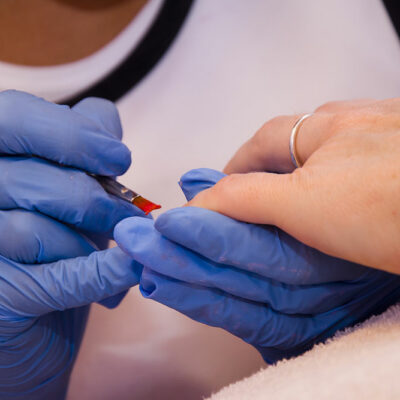
Fungus is normally present in the body, but when there is an overgrowth, it can lead to infection. One common infection is nail fungal infection, or onychomycosis or tinea unguium. It usually affects the toenails rather than the fingernails, causing them to become brittle and discolored. This infection develops over time, so any changes to the affected nails may be subtle initially. Here are some common types, causes, symptoms, and treatment measures for nail fungal infections. Types of nail fungal infections In general, there are four types of nail fungal infections. Distal or lateral subungual onychomycosis This is a common nail fungal infection caused by a type of fungus known as dermatophyte. This infection can occur in both toenails and fingernails. It usually starts as a yellowish-colored patch in the nail bed, right under the nail. Over time, this patch spreads to the center of the nail from the edges, causing the nail to separate from the nail bed. Candidal onychomycosis This type of infection is caused by yeast. It mostly occurs in the fingernails. The yeast causes the area around the infected nail to become inflamed and swollen. Sometimes, the nail might come off entirely from the nail bed.
Bipolar disorder – Its types and early signs
health

Bipolar disorder – Its types and early signs

Bipolar disorder is a mental health disorder characterized by extreme moods, either significantly high or low. The high periods are referred to as mania or hypomania, and the low moods are called depression. However, the moods can sometimes be concurrent, meaning individuals with bipolar disorder may have manic and depressive symptoms at once. The condition is usually difficult to diagnose; however, some signs can detect bipolar disorder early, and treatment can be started accordingly. Types and symptoms Often, the signs and symptoms of bipolar disorder overlap with those of other conditions, so it becomes difficult to diagnose it timely, which can delay treatment. However, there are now some criteria laid out by the Diagnostic and Statistical Manual of Mental Disorders that help recognize bipolar disorder. There are four types of bipolar disorders, and the symptoms vary according to the type of the condition. These are as follows: 1. Bipolar I This type is diagnosed when the individual experiences manic episodes. The symptoms are as follows: This includes a significant shift in the behavior and mood of the person. These mood changes are often unlike the person’s personality or usual behavior, making it evident that something is wrong. A manic episode is also considered manic when it is present most of the day and nearly daily.
8 early signs of seizures
health

8 early signs of seizures

Seizures occur when changes in the brain’s electrical activity cause sudden changes in movement, sensation, awareness, thought, or behavior. Depending on the part of the brain involved, they are categorized into three main types – focal onset seizures, generalized onset seizures, and unknown onset seizures. Although seizures may present themselves differently and with varying intensities, recognizing their early signs is crucial for timely support and intervention. Some of the most commonly reported signs of a seizure include: Aura People who experience seizures often describe feeling an aura beforehand. This sensation can include a variety of feelings, such as visual, auditory, or olfactory sensations, pain, numbness, or headaches. Some examples of aura symptoms include a wave-like sensation that travels through the head, twitching or stiffening of the arm or hand, a feeling of falling or riding a roller coaster in the stomach, an unusual taste or smell, hearing unexplained sounds or music, experiencing sudden, intense emotions like fear, happiness, or anxiety, tingling or numbness, hallucinations, or seeing colored or flashing lights. According to research, around 65 percent of people with generalized epilepsy experience seizures. Auras can be a warning sign of an oncoming seizure, signaling that it may be time to seek assistance and move to a safer place.
Hypoglycemia – 10 signs of low blood sugar
health

Hypoglycemia – 10 signs of low blood sugar

A low blood sugar level is a condition referred to as hypoglycemia. This condition is recognized when the blood sugar level drops below 70 mg/dl, and steps are needed to bring it back up to a healthy number. This type of blood sugar drop is especially common in type 1 diabetes. Some symptoms can help diagnose low blood sugar levels that impact health, and here are some observations to keep in mind. 1. Extreme hunger This is one of the typical signs and symptoms of a low blood sugar level. This is the body’s way of communicating that it needs food to raise its glucose levels. Some people may eat sugary substances to get that spike, but other foods can also help raise the glucose level. Carbohydrates help solve this issue; however, eating the right amount of carbohydrates to help in this situation is essential and can vary from person to person. So, always consult a nutritionist to know how to manage glucose levels when this symptom occurs. 2. Restless nights Nocturnal hypoglycemia is the term used to describe low blood sugar levels at night in a diabetic person. In this, the individual may experience signs and symptoms like night sweats, unrest, and confusion once awake, as well as episodes of waking up suddenly.
11 foods that may worsen COPD symptoms
health

11 foods that may worsen COPD symptoms

COPD, or chronic obstructive pulmonary disease, is a group of conditions that affect the lungs. Emphysema or chronic bronchitis are two of the most common forms of COPD. While it has no absolute cure, certain treatment options can help relieve the symptoms. One of the ways to manage and improve respiratory health is to monitor what one eats and recognize foods that can worsen COPD symptoms. So, here are a few foods to avoid: Sugary foods Foods rich in refined sugar, like baked goods, cookies, candies, sweet rolls, pies, and cobblers, can increase blood sugar levels and bloating. Furthermore, these foods can cause frequent energy crashes, making one feel fatigued. All of these factors can worsen COPD symptoms like wheezing, coughing, and breathlessness. Salty foods Frozen foods, salted nuts, and takeout meals may have a high amount of salt (sodium). Excessive sodium can make the body retain fluids. For those with COPD, this means an elevated risk of pulmonary hypertension or high blood pressure in the arteries of the lungs. These issues can lead to other COPD complications as well. So, it is important to monitor daily salt intake by checking food labels and choosing foods with low sodium. Processed meat Cured or processed meat has been associated with several health issues, including the worsening of COPD symptoms.
Stomach cancer and desmoid tumors – What they are and how they differ
health

Stomach cancer and desmoid tumors – What they are and how they differ

Stomach cancer and desmoid tumors are serious health conditions characterized by the unchecked growth of abnormal cells or tissues in one’s body. These diseases primarily affect the stomach and adjacent bodily structures, potentially impacting one’s overall well-being. Understanding how these conditions affect one’s organs, their different features and similarities, early signs, and available treatment options is essential for proactive healthcare management. Here is what one needs to know about both conditions: Gastric cancer and desmoid tumors – What they are Gastric cancer is also known as stomach cancer. It is characterized by the uncontrolled growth of abnormal cells within the inner stomach lining. These cells accumulate, forming a tumor that can invade nearby tissues and, in later stages, spread to distant parts of the body, a process known as metastasis. Genetic factors, previous stomach conditions like GERD or ulcers, or overexposure to coal, metal, or rubber can influence stomach cancer. Desmoid tumors, on the other hand, are abnormal growths that develop from the body’s connective tissues. Connective tissues serve as a support and link between one’s bones, ligaments, and muscles. A desmoid tumor is an extremely rare disease and usually grows slowly. Unlike cancer, these tumors don’t spread to other body parts.