A guide to choosing the right mosquito repellent device
Everything Else

A guide to choosing the right mosquito repellent device

It is important to choose the right repellent device to protect oneself from mosquitoes. With various available options, understanding what to look for in mosquito repellent devices is essential. Effective repellents should be easy to use, safe, and provide protection for a longer duration. From nets to electronic devices, finding the right repellent can make a significant difference in warding off these insects. Some important factors should be considered when selecting a mosquito repellent device. What to look for in a mosquito repellent device? Before buying a mosquito repellent device, one should consider a few factors to ensure one chooses the right device. For instance, if there are children in the family, one should look for mosquito repellent devices that are safe for the skin and the respiratory system. Here are some factors that individuals should consider while looking for one: 1. The size of the area the device can cover There are many types of mosquito-repellent devices on the market. One should choose a device based on the size and dimensions of the area the device can cover. For instance, small portable devices are ideal for indoor spaces, like homes and small rooms, while one can consider installing a larger or permanent system for large areas.

5 mistakes to avoid when exploring family history
Everything Else

5 mistakes to avoid when exploring family history

Researching family history can be a fascinating journey, uncovering surprising information about one’s ancestors. However, it’s important to exercise caution during the process, as mistakes in genealogy research can be time-consuming and might lead to the wrong family tree. Whether  one’s  a beginner or a seasoned genealogist, the key to finding reliable sources and obtaining positive and desired results is to make the right choices and steer clear of any potential mistakes. Solely relying on online  sources Online sources are a great tool when looking for leads to find family history. But online databases are just one source; one cannot miss out on key offline sources such as libraries, archives, marriage licenses, birth and death certificates, land records, historical societies, etc., that can help  in the  search for one’s ancestors.  Also, remember that  not all  the data found on the internet is accurate and reliable.  Adding the wrong names or people to the family tree can bring one down to the starting point of the search. One  needs to  distinguish between real and fake data by verifying the source and adding it to the family tree. Dig deeper into the details of each family member by finding out the names of parents, spouses, children, and their professional occupations, among other factors.
6 common genealogy mistakes to avoid
Everything Else

6 common genealogy mistakes to avoid

Genealogy is the study of families and their history. It involves tracing their lineages and uncovering intriguing stories. Every step a person takes to learn about their family’s past could reveal new relatives and entertaining anecdotes. Those new to genealogy often make some common mistakes, which can lead to inaccurate results. By avoiding such common errors, individuals can succeed in their genealogy research while gaining a deeper understanding of their family’s history. Common genealogy mistakes to avoid When researching, people make common genealogy mistakes, which must be avoided to ensure successful research. 1. Not reviewing each document carefully Even the most experienced readers can make the mistake of ignoring everything else on a document and focusing only on the names and dates. Skimming each document could cause one to overlook vital details that, while initially unimportant, may later prove to be the crucial hint needed to continue the investigation. It can be avoided by carefully reading every bit of information on every document, including newspaper stories and obituaries. However, it is also important to note that not everything in print needs to be trusted. A family genealogy or record transcription may not always be accurate just because it has been recorded or published.

Top Articles

Nail fungal infection – Causes, symptoms, and management
health

Nail fungal infection – Causes, symptoms, and management

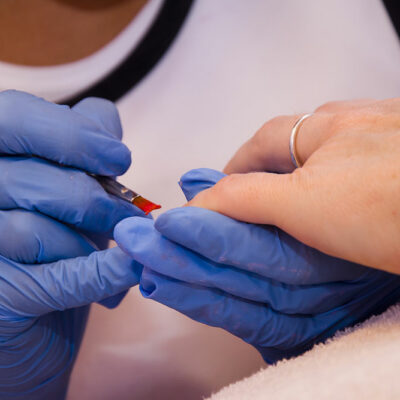
Fungus is normally present in the body, but when there is an overgrowth, it can lead to infection. One common infection is nail fungal infection, or onychomycosis or tinea unguium. It usually affects the toenails rather than the fingernails, causing them to become brittle and discolored. This infection develops over time, so any changes to the affected nails may be subtle initially. Here are some common types, causes, symptoms, and treatment measures for nail fungal infections. Types of nail fungal infections In general, there are four types of nail fungal infections. Distal or lateral subungual onychomycosis This is a common nail fungal infection caused by a type of fungus known as dermatophyte. This infection can occur in both toenails and fingernails. It usually starts as a yellowish-colored patch in the nail bed, right under the nail. Over time, this patch spreads to the center of the nail from the edges, causing the nail to separate from the nail bed. Candidal onychomycosis This type of infection is caused by yeast. It mostly occurs in the fingernails. The yeast causes the area around the infected nail to become inflamed and swollen. Sometimes, the nail might come off entirely from the nail bed.
Bipolar disorder – Its types and early signs
health

Bipolar disorder – Its types and early signs

Bipolar disorder is a mental health disorder characterized by extreme moods, either significantly high or low. The high periods are referred to as mania or hypomania, and the low moods are called depression. However, the moods can sometimes be concurrent, meaning individuals with bipolar disorder may have manic and depressive symptoms at once. The condition is usually difficult to diagnose; however, some signs can detect bipolar disorder early, and treatment can be started accordingly. Types and symptoms Often, the signs and symptoms of bipolar disorder overlap with those of other conditions, so it becomes difficult to diagnose it timely, which can delay treatment. However, there are now some criteria laid out by the Diagnostic and Statistical Manual of Mental Disorders that help recognize bipolar disorder. There are four types of bipolar disorders, and the symptoms vary according to the type of the condition. These are as follows: 1. Bipolar I This type is diagnosed when the individual experiences manic episodes. The symptoms are as follows: This includes a significant shift in the behavior and mood of the person. These mood changes are often unlike the person’s personality or usual behavior, making it evident that something is wrong. A manic episode is also considered manic when it is present most of the day and nearly daily.
8 early signs of seizures
health

8 early signs of seizures

Seizures occur when changes in the brain’s electrical activity cause sudden changes in movement, sensation, awareness, thought, or behavior. Depending on the part of the brain involved, they are categorized into three main types – focal onset seizures, generalized onset seizures, and unknown onset seizures. Although seizures may present themselves differently and with varying intensities, recognizing their early signs is crucial for timely support and intervention. Some of the most commonly reported signs of a seizure include: Aura People who experience seizures often describe feeling an aura beforehand. This sensation can include a variety of feelings, such as visual, auditory, or olfactory sensations, pain, numbness, or headaches. Some examples of aura symptoms include a wave-like sensation that travels through the head, twitching or stiffening of the arm or hand, a feeling of falling or riding a roller coaster in the stomach, an unusual taste or smell, hearing unexplained sounds or music, experiencing sudden, intense emotions like fear, happiness, or anxiety, tingling or numbness, hallucinations, or seeing colored or flashing lights. According to research, around 65 percent of people with generalized epilepsy experience seizures. Auras can be a warning sign of an oncoming seizure, signaling that it may be time to seek assistance and move to a safer place.
Hypoglycemia – 10 signs of low blood sugar
health

Hypoglycemia – 10 signs of low blood sugar

A low blood sugar level is a condition referred to as hypoglycemia. This condition is recognized when the blood sugar level drops below 70 mg/dl, and steps are needed to bring it back up to a healthy number. This type of blood sugar drop is especially common in type 1 diabetes. Some symptoms can help diagnose low blood sugar levels that impact health, and here are some observations to keep in mind. 1. Extreme hunger This is one of the typical signs and symptoms of a low blood sugar level. This is the body’s way of communicating that it needs food to raise its glucose levels. Some people may eat sugary substances to get that spike, but other foods can also help raise the glucose level. Carbohydrates help solve this issue; however, eating the right amount of carbohydrates to help in this situation is essential and can vary from person to person. So, always consult a nutritionist to know how to manage glucose levels when this symptom occurs. 2. Restless nights Nocturnal hypoglycemia is the term used to describe low blood sugar levels at night in a diabetic person. In this, the individual may experience signs and symptoms like night sweats, unrest, and confusion once awake, as well as episodes of waking up suddenly.
11 foods that may worsen COPD symptoms
health

11 foods that may worsen COPD symptoms

COPD, or chronic obstructive pulmonary disease, is a group of conditions that affect the lungs. Emphysema or chronic bronchitis are two of the most common forms of COPD. While it has no absolute cure, certain treatment options can help relieve the symptoms. One of the ways to manage and improve respiratory health is to monitor what one eats and recognize foods that can worsen COPD symptoms. So, here are a few foods to avoid: Sugary foods Foods rich in refined sugar, like baked goods, cookies, candies, sweet rolls, pies, and cobblers, can increase blood sugar levels and bloating. Furthermore, these foods can cause frequent energy crashes, making one feel fatigued. All of these factors can worsen COPD symptoms like wheezing, coughing, and breathlessness. Salty foods Frozen foods, salted nuts, and takeout meals may have a high amount of salt (sodium). Excessive sodium can make the body retain fluids. For those with COPD, this means an elevated risk of pulmonary hypertension or high blood pressure in the arteries of the lungs. These issues can lead to other COPD complications as well. So, it is important to monitor daily salt intake by checking food labels and choosing foods with low sodium. Processed meat Cured or processed meat has been associated with several health issues, including the worsening of COPD symptoms.
Stomach cancer and desmoid tumors – What they are and how they differ
health

Stomach cancer and desmoid tumors – What they are and how they differ

Stomach cancer and desmoid tumors are serious health conditions characterized by the unchecked growth of abnormal cells or tissues in one’s body. These diseases primarily affect the stomach and adjacent bodily structures, potentially impacting one’s overall well-being. Understanding how these conditions affect one’s organs, their different features and similarities, early signs, and available treatment options is essential for proactive healthcare management. Here is what one needs to know about both conditions: Gastric cancer and desmoid tumors – What they are Gastric cancer is also known as stomach cancer. It is characterized by the uncontrolled growth of abnormal cells within the inner stomach lining. These cells accumulate, forming a tumor that can invade nearby tissues and, in later stages, spread to distant parts of the body, a process known as metastasis. Genetic factors, previous stomach conditions like GERD or ulcers, or overexposure to coal, metal, or rubber can influence stomach cancer. Desmoid tumors, on the other hand, are abnormal growths that develop from the body’s connective tissues. Connective tissues serve as a support and link between one’s bones, ligaments, and muscles. A desmoid tumor is an extremely rare disease and usually grows slowly. Unlike cancer, these tumors don’t spread to other body parts.