10 roofing mistakes to avoid when renovating a home
Home

10 roofing mistakes to avoid when renovating a home

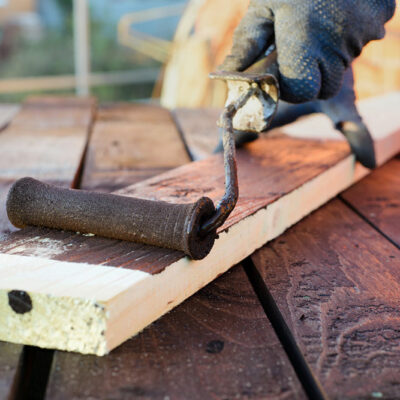
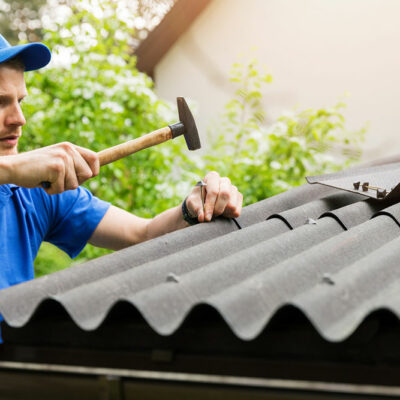
If there were no roofs in structures, one would have to directly bear the brunt of harsh sunlight, heavy downpours and snow, rough winds, and extreme weather, not to mention birds, reptiles, and insects, making the place all their own. However, the roof is directly exposed to all such factors, so a fragile roof is subject to continuous wear and tear. To prevent such a scenario, here are some roofing mistakes one should avoid: 1. Not installing a cricket over the chimney Cricket is a tiny ridge placed over a chimney, and its main function is to prevent water from entering the chimney. Usually, it is made of wood and is an important part of the roofing structure, especially if one lives in a rain-prone zone. It helps prevent leakage and shouldn’t be missed while building a roof. 2. Selecting the wrong roofing materials There is no dearth of roofing materials on the market, but not all of these materials may suit all types of structures. For example, asphalt shingles are extremely popular choices for roofs all over the country, but that’s mainly because of the steep pitch that most residential structures in America have. So, if one has a low-lying roof, asphalt shingles may not be the best choice; in such cases, materials like ethylene propylene diene monomer and sheet metal may be better options to prevent leakage.
11 common basement waterproofing mistakes to avoid
Home

11 common basement waterproofing mistakes to avoid

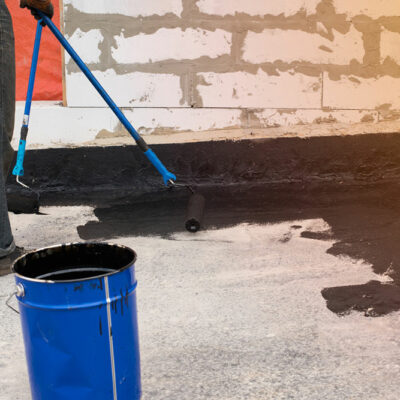
Almost every homeowner has faced water-caused destruction in their homes at one time or another. A good way to stop water damage is to waterproof areas like the basement. Unfortunately, this is not as easy as it sounds. A lot of people unknowingly make mistakes while waterproofing this place, which could be costly in the long run. Read on to learn about 11 such mistakes and how to avoid them. Ignoring the early warning signs of leakages When it comes to water damage, it is very important to catch the early warning signs. One should watch out for any unusual odors, dampness, or visible water stains in the basement. Recognizing these early can prevent excessive damage and mold growth and avoid expensive renovations in the future. Overlooking external drainage issues To keep the home and basement clean and moisture-free, homeowners also need to pay attention to their external drainage systems. Issues here, such as clogged gutters or downspouts, can increase the risk of water seepage and damage in the basement. One should regularly maintain the drainage systems so that the water is directed away from the home’s foundation. Thinking waterproof paint is enough While using waterproof paint is important in closed-off or humid locations like bathrooms and basements, it should not be the only barrier to prevent water from seeping in.
8 garden renovation mistakes to avoid
Home

8 garden renovation mistakes to avoid

The garden is the perfect place for individuals to spend time sipping on their favorite drink or hosting a barbeque for their friends and family. However, one might eventually want to renovate the entire area from scratch. While there’s a lot of excitement in taking up this project, people could make various mistakes that may ruin the garden space. Here are eight garden renovation errors that one could easily avoid. Not setting a budget Many people dive into a renovation project without even considering the costs. And before they know it, they have already shot past what they can afford. Therefore, setting a budget before starting the renovation project is crucial. One must determine how much they are willing to invest in the garden. The estimated budget should include every expense, including the cost of removing wild plants and adding fresh ones that are good for the space. One should also keep an additional fund aside to accommodate any unforeseen or emergency costs that arise during the project. Not drawing out a plan Apart from setting a budget, one should also ensure they begin garden renovations after creating a plan. This plan should include what they wish to add to the garden and the overall cost.
12 signs it’s time to get new doors and windows
Home

12 signs it’s time to get new doors and windows

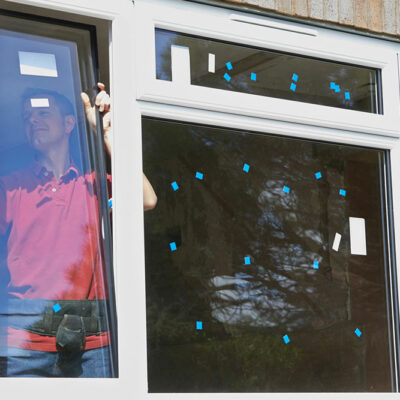
Doors and windows connect homes to the world. However, as they are part of the home’s exterior, they are constantly exposed to external elements like wind, snow, rain, and dust. Additionally, even room and patio doors are used extensively, undergoing quite a bit of wear and tear. So, it’s necessary to maintain all doors and windows, regularly look for issues, and get them replaced if one notices the following signs: Signs to replace doors 1. Wide gaps With time, the gaps between the front doors and the floor beneath them may begin to widen, or the doors can get misaligned. This can make the door let in cold air. If that is the case, it is a clear sign that the door needs to be replaced or at least repaired. 2. Cracks Harsh winds, extreme winters, excessive moisture, or rough use—any of these factors can speed up door wear and tear. While some of these cracks can get repaired, the situation may get out of hand after a point if cracks keep developing. That’s when the door needs to be replaced. Garden and patio doors are particularly vulnerable to such wear and tear because they are directly exposed to such elements.
7 mistakes to avoid when selecting a front door
Home

7 mistakes to avoid when selecting a front door

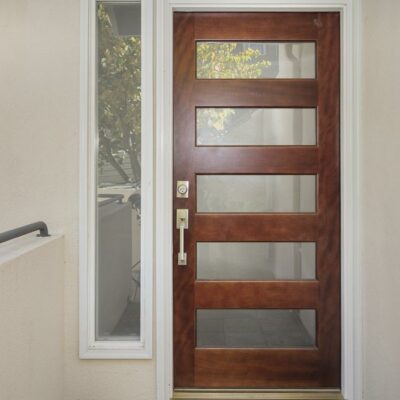
Making the right choice on the first go can be challenging. Extensive research and consideration must be given to ensure one is choosing correctly. This applies when one is choosing a front door for their property. People  do not just need to think about the property’s budget and esthetics.  To avoid making the wrong decision , individuals need to consider certain commonly made mistakes and learn from other people’s mistakes. Mistakes to avoid Here are a few mistakes people make when selecting a front door: 1. Overlooking security features A commonly made mistake people need to stop when selecting front doors is not taking in the importance of security. While trying to find a door that fits the house entrance, look for one that provides the right kind of security. There is no point in finding a front door if it does not have any security benefits to add. Overlooking this important detail can put the property and the people living in it at a higher risk of break-ins, thefts, and other criminal activity. Multi-point locking system doors are a great choice for any  kind of  property.  Homeowners can also consider installing added locks or reinforced metal door frames to improve their security prospects.
6 common mistakes to avoid when buying a new house
Home

6 common mistakes to avoid when buying a new house

Buying a home can be a challenging experience. The process involves a decision with high stakes and the possibility of one making mistakes can be quite high. But, one can always learn from other people’s mistakes. A little research and planning can help one avoid potential pitfalls before finalizing and buying a new house. Spending enough time on it before than regretting the decision later is always the right choice. Not getting a pre-approved  mortgage Some people start looking for homes before checking the loan amount they qualify for.  This  can put a huge dent in their plans later. It is advisable to start off with getting a pre-approved mortgage and then look for potential homes. This can homebuyers determine their affordability. They get to check the interest rate and loan amount they can qualify for. The process also lets people determine how much money they will have to pay upfront as a down payment and other closing costs.  Having a  pre-approved mortgage also lets the seller know that the homebuyer is serious. It lends one a competitive edge against other potential buyers. And since one is ready to purchase, some sellers might also be open to further negotiations. Further, do not stop with just one lender.
7 mistakes to avoid when selling a home
Home

7 mistakes to avoid when selling a home

Even more challenging than buying a home is selling one. From the long list of tasks that need to be completed to the emotional attachments that one needs to let go of, there are many things one needs to consider when selling one’s home. Given the complexity of this transaction, it is common for people to make big mistakes when trying to sell their home, which could cost them a lot of money. 1. Trying to DIY the sale Real estate agents indeed ask for a hefty commission, anywhere between 5%-6% of the total price of the sale. While this can feel steep, these agents also bring in a lot of expertise that could ease the selling process, especially for first-time sellers. On the other hand, trying to go down the For-Sale-By-Owner (FSBO) route could result in complicated paperwork and botched-up negotiations. This is why one must look for a good real estate agent who has the seller’s best interests at heart. They will help one set a competitive price for the home, manage the emotional aspect of meeting prospective buyers, and negotiate a better price. They are also well-versed in the paperwork involved in completing the sale, which can be crucial in preventing any delays or legal issues.
9 things a home warranty does not cover
Home

9 things a home warranty does not cover

A home warranty is a service contract that offers financial cover for the wear and tear of a home’s appliances and systems. So, if something breaks down, the homeowner does not have to bear the cost of repairs. Rather, the warranty company will cover the expenses. But it is important to note that a home warranty does not cover all repairs. When signing the contract, one must take note of the exclusions. Cosmetic repairs Cosmetic repairs are made solely for aesthetics or to improve the home’s appearance. A home warranty does not cover such repairs. It only covers the cost of damages caused by normal wear and tear. For instance, if an oven breaks down or stops working during regular use, homeowners can expect the home warranty to cover the expenses. The contract will not cover the price of fixing scratches or dents on the oven because it counts as cosmetic repairs. Outdoor elements Another big thing a home warranty excludes is the cost of repairing fixtures outside the house. Examples are pools, spas, and septic systems. The contract may also leave out outdoor plumbing systems and their parts, like sprinklers, faucets, and valves. While most home warranty companies do not cover these things in their standard package, some offer add-ons that include outdoor elements.
5 home appliance improvement projects with the highest ROI
Home

5 home appliance improvement projects with the highest ROI

When discussing home improvement projects that ensure higher returns, the focus often drifts to major changes like patio building, back grade upgrading, bathroom upscaling, renovations, decor, or structural improvements. However, enhancing appliances is another salient feature that can hike the property price. Home appliances are some of the most used items in a house, and ensuring they are modern, efficient, highly functional, and up-to-date can fetch a higher return on investment (ROI). Home appliance improvement projects that offer higher ROI Energy-efficient appliances Energy efficiency is a must in today’s world. Most home buyers are environmentally conscious and aware of their energy consumption. Data shows that electrical appliances, on average, consume around 14% of the total energy usage of a house. This includes stoves, ovens, refrigerators, dryers, and water heaters. Appliances that use energy efficiency also reduce utility bills and overall carbon footprint. These can include refrigerators, washing machines, and dishwashers. The easiest way to recognize an energy-efficient appliance is to look for the ENERGY STAR label. Choosing these certified appliances can be an attractive feature for eco-conscious homeowners. Smart thermostats Smart thermostats are intelligent temperature control systems where the thermostat recognizes homeowners’ overall heating and cooling preferences and adjusts the temperature accordingly.
Guide to easy-access walk-in showers for seniors and people with disabilities
Home

Guide to easy-access walk-in showers for seniors and people with disabilities

Although showers are meant for relaxation, they can become safety hazards for seniors and people with disabilities. Traditional showers usually have raised edges and are enclosed with glass panels, making them difficult to use. Thankfully, innovative solutions exist! Easy-access walk-in showers eliminate the hurdles of traditional showers, making them suitable for seniors and those with disabilities. These showers increase independence and confidence and also improve the bathroom’s appearance to a great extent. Features of easy-access walk-in showers Several key features contribute to the functionality and safety of easy-access walk-in showers. Low-profile threshold or level entry As mentioned, easy-access walk-in showers have a low threshold or a completely level entry point. Unlike traditional showers, one does not have to climb over a raised edge, which minimizes the risk of falls and ensures a smooth transition into the bathing area. Slip-resistant flooring Textured or slip-resistant flooring helps one take secure steps within the shower, reducing the chance of slipping while bathing. It is an essential safety feature in easy-access walk-in showers, which makes them stand out. Grab bars Strategically placed grab bars offer additional support when entering, exiting, or maneuvering within the shower. They are securely mounted at appropriate heights to ensure one can use them whenever needed.

Top Articles

Nail fungal infection – Causes, symptoms, and management
health

Nail fungal infection – Causes, symptoms, and management

Fungus is normally present in the body, but when there is an overgrowth, it can lead to infection. One common infection is nail fungal infection, or onychomycosis or tinea unguium. It usually affects the toenails rather than the fingernails, causing them to become brittle and discolored. This infection develops over time, so any changes to the affected nails may be subtle initially. Here are some common types, causes, symptoms, and treatment measures for nail fungal infections. Types of nail fungal infections In general, there are four types of nail fungal infections. Distal or lateral subungual onychomycosis This is a common nail fungal infection caused by a type of fungus known as dermatophyte. This infection can occur in both toenails and fingernails. It usually starts as a yellowish-colored patch in the nail bed, right under the nail. Over time, this patch spreads to the center of the nail from the edges, causing the nail to separate from the nail bed. Candidal onychomycosis This type of infection is caused by yeast. It mostly occurs in the fingernails. The yeast causes the area around the infected nail to become inflamed and swollen. Sometimes, the nail might come off entirely from the nail bed.
Bipolar disorder – Its types and early signs
health

Bipolar disorder – Its types and early signs

Bipolar disorder is a mental health disorder characterized by extreme moods, either significantly high or low. The high periods are referred to as mania or hypomania, and the low moods are called depression. However, the moods can sometimes be concurrent, meaning individuals with bipolar disorder may have manic and depressive symptoms at once. The condition is usually difficult to diagnose; however, some signs can detect bipolar disorder early, and treatment can be started accordingly. Types and symptoms Often, the signs and symptoms of bipolar disorder overlap with those of other conditions, so it becomes difficult to diagnose it timely, which can delay treatment. However, there are now some criteria laid out by the Diagnostic and Statistical Manual of Mental Disorders that help recognize bipolar disorder. There are four types of bipolar disorders, and the symptoms vary according to the type of the condition. These are as follows: 1. Bipolar I This type is diagnosed when the individual experiences manic episodes. The symptoms are as follows: This includes a significant shift in the behavior and mood of the person. These mood changes are often unlike the person’s personality or usual behavior, making it evident that something is wrong. A manic episode is also considered manic when it is present most of the day and nearly daily.
8 early signs of seizures
health

8 early signs of seizures

Seizures occur when changes in the brain’s electrical activity cause sudden changes in movement, sensation, awareness, thought, or behavior. Depending on the part of the brain involved, they are categorized into three main types – focal onset seizures, generalized onset seizures, and unknown onset seizures. Although seizures may present themselves differently and with varying intensities, recognizing their early signs is crucial for timely support and intervention. Some of the most commonly reported signs of a seizure include: Aura People who experience seizures often describe feeling an aura beforehand. This sensation can include a variety of feelings, such as visual, auditory, or olfactory sensations, pain, numbness, or headaches. Some examples of aura symptoms include a wave-like sensation that travels through the head, twitching or stiffening of the arm or hand, a feeling of falling or riding a roller coaster in the stomach, an unusual taste or smell, hearing unexplained sounds or music, experiencing sudden, intense emotions like fear, happiness, or anxiety, tingling or numbness, hallucinations, or seeing colored or flashing lights. According to research, around 65 percent of people with generalized epilepsy experience seizures. Auras can be a warning sign of an oncoming seizure, signaling that it may be time to seek assistance and move to a safer place.
Hypoglycemia – 10 signs of low blood sugar
health

Hypoglycemia – 10 signs of low blood sugar

A low blood sugar level is a condition referred to as hypoglycemia. This condition is recognized when the blood sugar level drops below 70 mg/dl, and steps are needed to bring it back up to a healthy number. This type of blood sugar drop is especially common in type 1 diabetes. Some symptoms can help diagnose low blood sugar levels that impact health, and here are some observations to keep in mind. 1. Extreme hunger This is one of the typical signs and symptoms of a low blood sugar level. This is the body’s way of communicating that it needs food to raise its glucose levels. Some people may eat sugary substances to get that spike, but other foods can also help raise the glucose level. Carbohydrates help solve this issue; however, eating the right amount of carbohydrates to help in this situation is essential and can vary from person to person. So, always consult a nutritionist to know how to manage glucose levels when this symptom occurs. 2. Restless nights Nocturnal hypoglycemia is the term used to describe low blood sugar levels at night in a diabetic person. In this, the individual may experience signs and symptoms like night sweats, unrest, and confusion once awake, as well as episodes of waking up suddenly.
11 foods that may worsen COPD symptoms
health

11 foods that may worsen COPD symptoms

COPD, or chronic obstructive pulmonary disease, is a group of conditions that affect the lungs. Emphysema or chronic bronchitis are two of the most common forms of COPD. While it has no absolute cure, certain treatment options can help relieve the symptoms. One of the ways to manage and improve respiratory health is to monitor what one eats and recognize foods that can worsen COPD symptoms. So, here are a few foods to avoid: Sugary foods Foods rich in refined sugar, like baked goods, cookies, candies, sweet rolls, pies, and cobblers, can increase blood sugar levels and bloating. Furthermore, these foods can cause frequent energy crashes, making one feel fatigued. All of these factors can worsen COPD symptoms like wheezing, coughing, and breathlessness. Salty foods Frozen foods, salted nuts, and takeout meals may have a high amount of salt (sodium). Excessive sodium can make the body retain fluids. For those with COPD, this means an elevated risk of pulmonary hypertension or high blood pressure in the arteries of the lungs. These issues can lead to other COPD complications as well. So, it is important to monitor daily salt intake by checking food labels and choosing foods with low sodium. Processed meat Cured or processed meat has been associated with several health issues, including the worsening of COPD symptoms.
Stomach cancer and desmoid tumors – What they are and how they differ
health

Stomach cancer and desmoid tumors – What they are and how they differ

Stomach cancer and desmoid tumors are serious health conditions characterized by the unchecked growth of abnormal cells or tissues in one’s body. These diseases primarily affect the stomach and adjacent bodily structures, potentially impacting one’s overall well-being. Understanding how these conditions affect one’s organs, their different features and similarities, early signs, and available treatment options is essential for proactive healthcare management. Here is what one needs to know about both conditions: Gastric cancer and desmoid tumors – What they are Gastric cancer is also known as stomach cancer. It is characterized by the uncontrolled growth of abnormal cells within the inner stomach lining. These cells accumulate, forming a tumor that can invade nearby tissues and, in later stages, spread to distant parts of the body, a process known as metastasis. Genetic factors, previous stomach conditions like GERD or ulcers, or overexposure to coal, metal, or rubber can influence stomach cancer. Desmoid tumors, on the other hand, are abnormal growths that develop from the body’s connective tissues. Connective tissues serve as a support and link between one’s bones, ligaments, and muscles. A desmoid tumor is an extremely rare disease and usually grows slowly. Unlike cancer, these tumors don’t spread to other body parts.