11 best foods for managing anemia
health

11 best foods for managing anemia

Anemia is a prevalent health condition that develops when the body does not have enough red blood cells or hemoglobin to carry sufficient oxygen to the tissues. A common cause of this condition is a deficiency of iron, which can cause issues such as weakness, fatigue, paleness, dizziness, and shortness of breath. Here, in addition to seeking treatment for these symptoms, making better food choices can help in managing anemia.  Nutrition and anemia When dealing with anemia, it is crucial to choose foods rich in iron, as iron helps in the production of hemoglobin in red blood cells, thereby helping manage the condition. In addition to iron sources, one should opt for foods that help in the absorption of iron to maximize the benefits of this vital nutrient. Here, it is important for one to understand the difference between the two types of food-derived iron—heme iron and non-heme iron. Heme iron is commonly found in animal products, while non-heme iron is present in plant-based foods. Although both types contribute to increasing overall iron levels, optimizing each type’s absorption through a well-balanced meal plan is key to combating anemia and managing overall health. Best foods The following are a few common foods that one must consider adding to daily meals when dealing with anemia:

11 common jewelry mistakes to avoid
Fashion

11 common jewelry mistakes to avoid

Jewelry is often used as a form of self-expression. It can elevate a look and draw attention to one’s features or specific clothing. Pieces like bracelets, rings, broaches, hair ornaments, and necklaces can add quite a flair to one’s appearance. As with clothes, multiple rules apply to styling and storing jewelry, and it is easy to make mistakes. This article discusses some common jewelry mistakes and simple tips to avoid them. 1. Storing jewelry improperly One of the biggest mistakes people make when it comes to jewelry is storing it incorrectly, which can impact its condition and appearance. Jewelry must always be stored away from free-flowing air and humidity, as these factors can tarnish its appearance. Keeping everything together in a large box may also lead to scratches and physical damage to these prized possessions. Instead, invest in special jewelry boxes or rolls to store jewelry safely. One may also keep each item in padded boxes to limit exposure to humidity and air. 2. Forgetting to clean it regularly Since jewelry is worn against the skin and exposed to natural and chemical elements for hours, it also needs special care and attention. However, many people forget to clean their jewelry regularly.
9 mistakes to avoid when caring for expensive shoes
shoes

9 mistakes to avoid when caring for expensive shoes

It’s not uncommon for people to be drawn towards expensive shoes, especially branded ones. However, owning a pair of pricey shoes comes with a responsibility to take proper care of them. Unfortunately, many individuals who invest in such footwear often make mistakes when it comes to wearing or maintaining them, which can lead to the shoes wearing out quickly. To help, here are nine things one must avoid while caring for expensive shoes. Not preparing shoes for storage When someone is done wearing the shoes, they may put them away without preparing them for storage. The individual needs to account for a few things, especially if they are storing it long term, including sorting the shoes into similar groupings. They must follow this by thoroughly cleaning the surface of the shoes and removing the laces. One should condition and polish leather shoes to prevent them from getting brittle and cracking during storage. Neglecting the proper storage container Another error is neglecting the use of an ideal storage container. Various options might work for each unique situation. An original shoe box is the cheapest option and may also stack uniformly. Even labeling makes it easy to find the shoes at a later time.
6 most common passport application mistakes
Everything Else

6 most common passport application mistakes

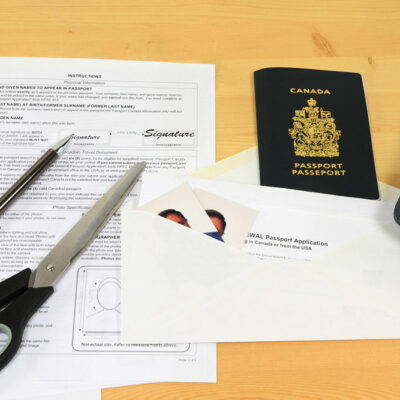
Applying for a passport has become very easy today. The process would take days or even weeks some decades ago, but now, thanks to digitization, one can get through with just a few clicks. That said, many people make errors during the application process, which leads to unnecessary delays and extra hassle. Below are a few critical mistakes one should avoid when applying for a passport or renewing the document. Not paying attention to the current passport’s expiry date Arguably, the most common mistake people make is being unaware of the number of years or months left on their current passports. Many check the document’s expiry date only after booking an international holiday and heading to their destination. Doing so can cause significant issues as many countries require inbound travelers to have at least three months or so left on their passports from their date of arrival. Therefore, passport holders must check their passport before planning their holidays. Experts recommend renewing one’s passport at least a year before it expires. This practice ensures individuals do not face hassle when boarding their flight or arriving at their destination. Making typos and misspellings in the application form People often fill out the application form hastily when applying for a passport, which leads to multiple typos and misspellings.
6 exclusions of a dental insurance plan
health

6 exclusions of a dental insurance plan

Healthcare is a crucial aspect of any country, and it can be quite expensive if an individual does not have insurance such as Medicare. One of the healthcare options available is dental insurance, which can help save a lot of money on annual appointments and treatments. However, many people are not aware of the limitations of dental insurance. Here are six things that dental insurance plans may not cover. Cosmetic dentistry Restorative dentistry might be necessary when it’s related to one’s well-being. However, insurance companies usually classify cosmetic dentistry as an elective procedure and may not cover the cost of treatment. One should also note that many cosmetic dentists use restorative procedures, such as porcelain crowns, dental implants, and tooth veneers, for restorative and cosmetic purposes. Therefore, insurance may cover some or all of one’s restorative procedures but will not cover elective cosmetic procedures. If a dental procedure is necessary due to decay, disease, an accident, or injury, it may be considered a restorative procedure, and the insurance may cover some or all of the cost. It’s also important to note that some restorative procedures may be covered under insurance if they serve a functional purpose, such as replacing missing teeth or improving the mechanics of a patient’s bite.
9 warning signs of lymphoma
health

9 warning signs of lymphoma

Lymphoma is a form of cancer that originates in the lymphatic system, a vital part of the immune system. It arises when either of the two types of lymphocytes (T cells or B cells) begin to multiply uncontrollably. There are two main categories of lymphoma: Hodgkin and non-Hodgkin. Identifying the type is crucial for devising a suitable treatment plan. The following are a few common warning signs of the condition. Swollen lymph nodes Lymph nodes are a critical part of the lymphatic system, located in various body parts, including the neck, groin, armpit, and spleen. They filter lymph fluid to eliminate harmful substances and fight off infections. Lymphoma leads to an abnormal multiplication of lymphocytes, which, in turn, causes one’s lymph nodes to enlarge and swell. As a result, one may notice swelling in the spleen, neck, armpits, or groin, which does not go away. The swelling is usually painless but can be painful in some cases. Itchy skin Persistent and unusual skin itching can also be a warning sign of lymphoma. One may experience itching all over the body or near affected lymph nodes. Persistent and unexplained itching in the hands, legs, or feet could point toward lymphoma. The itchiness results from the release of certain chemicals called cytokines.
8 mistakes to avoid when supporting charities
Everything Else

8 mistakes to avoid when supporting charities

Thousands of people donate to various charities through different means. After all, many worthy causes need help and support, and giving back to society is important. However, despite all the good involved, there’s a lot where one could go wrong. Furthermore, since donations are usually the lifeline of charities, one needs to avoid and limit mistakes to ensure the funds reach the intended persons. So, here are seven errors to avoid when supporting charities. Donating on a whim One should always take time to reflect on a potential donation rather than allocate funds without a second thought. Donating on the spur of the moment could mean one may not appropriately budget their spending, making it difficult for the donor to manage other necessities or future donations. One may also fall prey to scams, which may prevent the funds from reaching a legitimate cause. If one learns of a cause one strongly identifies with or wants to support, it is best to make a note of it and review one’s finances first before making a donation. Lack of research The lack of research on a charity could lead to unavoidable problems when supporting any cause. One could view a donation as an investment and prepare accordingly.
9 tax-deductible charity contributions
Finance

9 tax-deductible charity contributions

During times of charitable giving, such as in the holiday season, it is common to look for ways to give back to the community while reaping some tax benefits. One effective option is to make tax-deductible charity donations. These donations not only support charitable causes but also reduce one’s tax liabilities. This invariably helps in making the donations more impactful on the personal front as well as in communities one wishes to support. Cash donations One can make  monetary donations to public charities, which are eligible for tax deductions under 501(c)(3). These donations can be made through checks, credit cards, or payroll deductions through their employer. If the donor itemizes their deductions, they can receive deductions of up to 60% of their adjusted gross income (AGI) in a year for gifts of cash to qualified public charitable organizations. If they choose to donate to private charities, such as a family foundation, the annual limit of deductions is approximately 30% of their AGI. However, the donated amount must be substantial to avail of this deduction. Another option is to bunch together several small donations into a single year. Charitable gift funds One can also set up donor-advised funds. These are accounts that offer the flexibility of charitable giving to multiple organizations.
7 telltale signs of a charity scam
Everything Else

7 telltale signs of a charity scam

One of the perks of social media and technology is that they help people stay connected with the world. While that is an advantage, one of the many disadvantages of easy information sharing is an increase in scam schemes, especially charity scams. Scammers capitalize on a donor’s goodwill and try to line their pockets with the donated money. Here are some of the telltale signs of a charity scam that should not be missed. 1. Giving insufficient charity details Every charity organization has its purpose and mission statement ready. These are some basic details an organization is always prepared with. Donors usually look at these mission statements and purposes to determine if there is an alignment in their thoughts and mission. If a charity cannot provide these details, it could be a sign that they are not a legitimate charity. Some of the questions to ask them are mentioned below: Where does the charity work, and where is the headquarters located? How is the donation money used? What is the organization’s tax-exempt number? Does all the money go directly to the program or only some percentage? 2. Pretending to be an employee of a known organization Some scammers will call to thank a donor for a gift they received for a cause of the donor’s choice.
12 supplements that help improve bone density
health

12 supplements that help improve bone density

Bones are the building blocks of the human body, providing it with a framework, supporting its movement, helping it store minerals, and protecting the organs. Here, bone density plays a key role in maintaining bone strength and preventing bone diseases. Low bone density indicates brittleness, which may eventually lead to health conditions like osteopenia and osteoporosis. Nevertheless, nutrition-based changes, like taking vitamin and mineral supplements, can help improve bone density and keep diseases at bay. 1. Calcium Calcium constitutes a major part of bone tissues and can help strengthen bones. While dairy products are major food sources of calcium, those with lactose intolerance may have to avoid dairy, which may reduce calcium intake and lower bone density. Today, several calcium supplements are available in the market. One can consult a nutritionist or doctor before opting for these products. 2. Vitamin D Vitamin D is an essential nutrient responsible for the absorption of calcium in the body. In fact, studies have shown that without adequate intake of vitamin D, the body absorbs only 10–15% of calcium derived from foods. Sunlight is a major source of vitamin D, so optimal exposure to sunlight is essential to increase vitamin D levels in the body.

Top Articles

Nail fungal infection – Causes, symptoms, and management
health

Nail fungal infection – Causes, symptoms, and management

Fungus is normally present in the body, but when there is an overgrowth, it can lead to infection. One common infection is nail fungal infection, or onychomycosis or tinea unguium. It usually affects the toenails rather than the fingernails, causing them to become brittle and discolored. This infection develops over time, so any changes to the affected nails may be subtle initially. Here are some common types, causes, symptoms, and treatment measures for nail fungal infections. Types of nail fungal infections In general, there are four types of nail fungal infections. Distal or lateral subungual onychomycosis This is a common nail fungal infection caused by a type of fungus known as dermatophyte. This infection can occur in both toenails and fingernails. It usually starts as a yellowish-colored patch in the nail bed, right under the nail. Over time, this patch spreads to the center of the nail from the edges, causing the nail to separate from the nail bed. Candidal onychomycosis This type of infection is caused by yeast. It mostly occurs in the fingernails. The yeast causes the area around the infected nail to become inflamed and swollen. Sometimes, the nail might come off entirely from the nail bed.
Bipolar disorder – Its types and early signs
health

Bipolar disorder – Its types and early signs

Bipolar disorder is a mental health disorder characterized by extreme moods, either significantly high or low. The high periods are referred to as mania or hypomania, and the low moods are called depression. However, the moods can sometimes be concurrent, meaning individuals with bipolar disorder may have manic and depressive symptoms at once. The condition is usually difficult to diagnose; however, some signs can detect bipolar disorder early, and treatment can be started accordingly. Types and symptoms Often, the signs and symptoms of bipolar disorder overlap with those of other conditions, so it becomes difficult to diagnose it timely, which can delay treatment. However, there are now some criteria laid out by the Diagnostic and Statistical Manual of Mental Disorders that help recognize bipolar disorder. There are four types of bipolar disorders, and the symptoms vary according to the type of the condition. These are as follows: 1. Bipolar I This type is diagnosed when the individual experiences manic episodes. The symptoms are as follows: This includes a significant shift in the behavior and mood of the person. These mood changes are often unlike the person’s personality or usual behavior, making it evident that something is wrong. A manic episode is also considered manic when it is present most of the day and nearly daily.
8 early signs of seizures
health

8 early signs of seizures

Seizures occur when changes in the brain’s electrical activity cause sudden changes in movement, sensation, awareness, thought, or behavior. Depending on the part of the brain involved, they are categorized into three main types – focal onset seizures, generalized onset seizures, and unknown onset seizures. Although seizures may present themselves differently and with varying intensities, recognizing their early signs is crucial for timely support and intervention. Some of the most commonly reported signs of a seizure include: Aura People who experience seizures often describe feeling an aura beforehand. This sensation can include a variety of feelings, such as visual, auditory, or olfactory sensations, pain, numbness, or headaches. Some examples of aura symptoms include a wave-like sensation that travels through the head, twitching or stiffening of the arm or hand, a feeling of falling or riding a roller coaster in the stomach, an unusual taste or smell, hearing unexplained sounds or music, experiencing sudden, intense emotions like fear, happiness, or anxiety, tingling or numbness, hallucinations, or seeing colored or flashing lights. According to research, around 65 percent of people with generalized epilepsy experience seizures. Auras can be a warning sign of an oncoming seizure, signaling that it may be time to seek assistance and move to a safer place.
Hypoglycemia – 10 signs of low blood sugar
health

Hypoglycemia – 10 signs of low blood sugar

A low blood sugar level is a condition referred to as hypoglycemia. This condition is recognized when the blood sugar level drops below 70 mg/dl, and steps are needed to bring it back up to a healthy number. This type of blood sugar drop is especially common in type 1 diabetes. Some symptoms can help diagnose low blood sugar levels that impact health, and here are some observations to keep in mind. 1. Extreme hunger This is one of the typical signs and symptoms of a low blood sugar level. This is the body’s way of communicating that it needs food to raise its glucose levels. Some people may eat sugary substances to get that spike, but other foods can also help raise the glucose level. Carbohydrates help solve this issue; however, eating the right amount of carbohydrates to help in this situation is essential and can vary from person to person. So, always consult a nutritionist to know how to manage glucose levels when this symptom occurs. 2. Restless nights Nocturnal hypoglycemia is the term used to describe low blood sugar levels at night in a diabetic person. In this, the individual may experience signs and symptoms like night sweats, unrest, and confusion once awake, as well as episodes of waking up suddenly.
11 foods that may worsen COPD symptoms
health

11 foods that may worsen COPD symptoms

COPD, or chronic obstructive pulmonary disease, is a group of conditions that affect the lungs. Emphysema or chronic bronchitis are two of the most common forms of COPD. While it has no absolute cure, certain treatment options can help relieve the symptoms. One of the ways to manage and improve respiratory health is to monitor what one eats and recognize foods that can worsen COPD symptoms. So, here are a few foods to avoid: Sugary foods Foods rich in refined sugar, like baked goods, cookies, candies, sweet rolls, pies, and cobblers, can increase blood sugar levels and bloating. Furthermore, these foods can cause frequent energy crashes, making one feel fatigued. All of these factors can worsen COPD symptoms like wheezing, coughing, and breathlessness. Salty foods Frozen foods, salted nuts, and takeout meals may have a high amount of salt (sodium). Excessive sodium can make the body retain fluids. For those with COPD, this means an elevated risk of pulmonary hypertension or high blood pressure in the arteries of the lungs. These issues can lead to other COPD complications as well. So, it is important to monitor daily salt intake by checking food labels and choosing foods with low sodium. Processed meat Cured or processed meat has been associated with several health issues, including the worsening of COPD symptoms.
Stomach cancer and desmoid tumors – What they are and how they differ
health

Stomach cancer and desmoid tumors – What they are and how they differ

Stomach cancer and desmoid tumors are serious health conditions characterized by the unchecked growth of abnormal cells or tissues in one’s body. These diseases primarily affect the stomach and adjacent bodily structures, potentially impacting one’s overall well-being. Understanding how these conditions affect one’s organs, their different features and similarities, early signs, and available treatment options is essential for proactive healthcare management. Here is what one needs to know about both conditions: Gastric cancer and desmoid tumors – What they are Gastric cancer is also known as stomach cancer. It is characterized by the uncontrolled growth of abnormal cells within the inner stomach lining. These cells accumulate, forming a tumor that can invade nearby tissues and, in later stages, spread to distant parts of the body, a process known as metastasis. Genetic factors, previous stomach conditions like GERD or ulcers, or overexposure to coal, metal, or rubber can influence stomach cancer. Desmoid tumors, on the other hand, are abnormal growths that develop from the body’s connective tissues. Connective tissues serve as a support and link between one’s bones, ligaments, and muscles. A desmoid tumor is an extremely rare disease and usually grows slowly. Unlike cancer, these tumors don’t spread to other body parts.