6 signs of Dupuytren’s contracture
health

6 signs of Dupuytren’s contracture

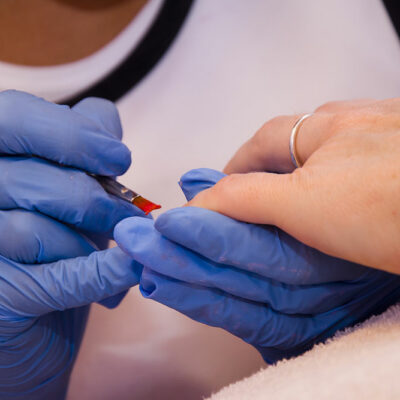
The connective tissue in the palm, generally flexible and loose, may begin to abnormally thicken or tighten. This is known as Dupuytren’s contracture. Here, the fingers can begin bending toward the palm and are unable to straighten completely. The condition most commonly affects fingers away from the thumb—the ring and pinky finger and can affect one or both hands. Here are a few signs of the condition one should not ignore:  1. Nodules in the palm The presence of lumps or nodules in the palm could be a warning sign of Dupuytren’s contracture. These nodules are generally observed at the base of the fingers, right where they meet the palm. One may be able to feel or even see a hard lump as an early sign. The appearance of nodules indicates that the condition is starting to spread through the connective tissue or the palmar fascia of the palm. The lumps could be painful or painless and may go away without any treatment. The lumps can also make the surrounding skin appear dimpled or puckered, leading to pits or grooves in the skin that are compressed by the contracted finger. These areas can become sore and lead to skin loss if they do not heal in time.

8 common signs and symptoms eosinophilic esophagitis
health

8 common signs and symptoms eosinophilic esophagitis

The esophagus or food pipe transfers food to the stomach. However, it can get inflamed due to conditions like eosinophilic esophagitis (EOE). In EOE, eosinophils release substances in surrounding tissues that lead to inflammation. This causes the organ to contract and abscesses or ring-like projections to form. EOE can be triggered by acid reflux or food allergies. To manage the condition, here are some signs and symptoms of EOE that one should not ignore: Symptoms of eosinophilic esophagitis (EOE) The symptoms of EOE may vary among adults and children, although certain symptoms are common in both. So, here are the signs and symptoms of EOE among children and adults: Symptoms of EOE in adults Studies have shown that EOE in adults usually shows up in the form of strictures, rings, and narrowing of the esophagus. As a result, adults with EOE may have these symptoms: Difficulty swallowing One of the classic symptoms of EOE is difficulty swallowing. The technical term for this symptom is dysphagia. In usual circumstances, one may face dysphagia if they gulp down their food, but the symptom shows up for those with EOE even when they chew their food well. Acid reflux Acid reflux is usually a symptom of gastroesophageal reflux disease (GERD), a health condition closely related to EOE.
8 mistakes to avoid when buying wearable medical devices
health

8 mistakes to avoid when buying wearable medical devices

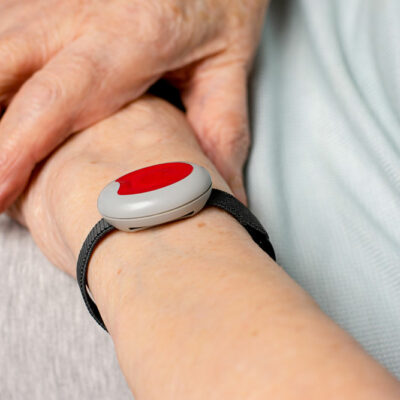
These days, medical technology isn’t limited to a distant machine available only at the doctor’s clinic. Wearable medical devices have redefined monitoring of body parameters, making it incredibly easy to ensure physical well-being right at home or even when traveling. Wearable medical devices have brought general healthcare closer to people and help prevent and diagnose any health issues early. However, buying the right wearable medical devices involves research and avoiding certain mistakes. 1. Not checking battery life Battery life is an important feature when checking wearable medical devices because it increases their convenience, especially if one travels and cannot charge them repeatedly. Also, if a person uses wearable ECG monitors and other devices, charging them frequently can be difficult. So, one should always ensure that such devices have long battery lives. 2. Overlooking the device’s resilience to different conditions People often have their wearable devices on themselves for almost an entire day. So, they might even have it on when stepping into the shower or stepping out during rain. Such wearable devices must be resilient to extreme weather conditions, including waterproofing, to avoid such issues. The manufacturers should be transparent about the materials used to manufacture the product and specify that the device is water and weather-resistant.
11 common mistakes people with sleep apnea should avoid
health

11 common mistakes people with sleep apnea should avoid

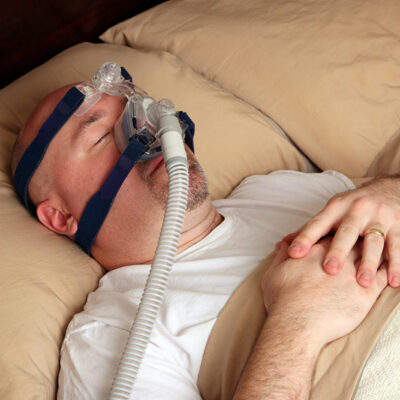
One might have a healthy meal plan and exercise regularly, but all such efforts are in vain without proper sleep. Because sleep is indispensable, diagnosing sleep conditions early and following a systematic treatment course is important. Sleep apnea is one  such  condition in which one’s breathing stops during sleep. Often, it causes symptoms like snoring and fatigue. Alongside consulting a doctor, avoiding  some  mistakes during treatment can help control the symptoms. Not having a fixed sleep  schedule A healthy sleep schedule is  the cornerstone  to  speedy  recovery from sleep apnea.  Although a healthy sleep pattern doesn’t suffice alone, it is essential in helping one feel refreshed and reducing fatigue. So, it is a good idea to sleep and wake up at fixed times as far as possible, ensuring that one gets at least seven to eight hours of sleep  at night . To help the body get accustomed to this schedule, one should follow certain healthy sleep practices, such as staying away from gadgets and electronic devices before bedtime, investing in a comfortable mattress, and sleeping in a dark room. Not having the right sleeping position C hanging  one’s sleep position might help control sleep apnea symptoms. The best sleep position for those with sleep apnea is to sleep on one’s side with one’s back straight.
8 common senior care mistakes to avoid
health

8 common senior care mistakes to avoid

As individuals age, they may require additional care and support in their daily lives, including getting to doctor appointments, running errands, and cooking meals. In such cases, family members may take on the responsibility of providing the necessary care for their elders when required. However, if one is new to senior care, one may make a few mistakes when handling the needs of an elder. Here are 8 mistakes one should avoid when caring for seniors. Assuming one can do it all One of the most common caregiving mistakes family members make is assuming they can do it all. However, it is important to note that caring for seniors involves various responsibilities, such as preparing meals, scheduling healthcare appointments, ensuring timely prescriptions, and maintaining good hygiene. This might also be a 24-hour schedule, which might be difficult for family members to handle by themselves. One should speak to the senior members and understand their needs. For instance, some seniors might want to do some daily tasks by themselves and leave the rest to a professional caregiver. It is always a good idea to outsource senior care, especially if family members have other responsibilities, such as work. Lack of rest When providing care to seniors, one must ensure that one gets ample rest.
7 advantages of keto gummies to know
health

7 advantages of keto gummies to know

Keto meal plans are increasingly becoming popular due to their ability to help people with diabetes and insulin resistance and those who want to lead a healthier lifestyle. Consequently, keto gummies are also gaining popularity as an alternative to traditional gummies. These chewy treats are a bit sweet and sour without being loaded with sugars and other carbohydrates. They are expected to provide several health benefits, including improving epilepsy and diabetes symptoms. Provides convenience Gummies are a delicious and convenient treat that one can have at any time. They are even more helpful as they easily meet the body’s nutrient requirements without worrying much about the preparation and storage of certain food items. That said, it is crucial to remember that gummies should not be used as meal substitutes. Boosts energy levels A key benefit of keto gummies is the improvement in the person’s energy levels. This is because the dehydroepiandrosterone (DHEA) present in these gummies assists the body in converting the food it receives into energy. Additionally, the sudden energy boost can also be attributed to L-carnitine found in most keto gummies. This compound is especially preferred as it helps the body utilize excess fat in the body and converts these deposits into energy.
Important things to know about sleep gummies
health

Important things to know about sleep gummies

Recent data from the National Institutes of Health suggests that around 19% of adults in the country suffer from sleep issues. Science experts have extensively researched and proved the myriad benefits of sleep, from lowering health risks to boosting focus and cognitive functions, improving mood, and even extending life expectancy. But despite that, some people may struggle to get a good night’s sleep for various reasons. For such individuals, products like sleep gummies can benefit. What are sleep gummies? Sleep gummies are chewable supplements that help individuals regulate their sleep patterns so that they can fall asleep easily. Health experts usually recommend them for people dealing with sleep disorders. They contain active ingredients that induce sleep, such as melatonin, L-theanine, or CBD. How do melatonin gummies work? Melatonin has another name, called darkness hormone. The body naturally secretes this hormone during the pre-sleep hours to alert the body and brain that it’s time to sleep. Melatonin regulates the daily circadian rhythm. Usually, melatonin levels surge in response to reduced external light and naturally initiate relaxation of the body. However, any disruptions in melatonin production – whether due to insomnia, light or sound exposure, or even jetlag – can affect one’s sleep.
7 things to know before using pain-relieving gummies
health

7 things to know before using pain-relieving gummies

Pain-relieving gummies are considered an efficient option for people suffering from extreme pain.  Healthcare researchers and other professionals often recommend  such patients to use pain-relieving gummies  due to their decent effectiveness.  Nonetheless, these gummies come with a set of issues associated with them. These issues are not limited to pain-relieving gummies but are common to a large number of pain-relieving treatments available. So, it’s best to learn about these chewy treats before popping them. Speak to a healthcare provider This  is  arguably  the most essential thing to consider or do before taking any pain-relieving solution/treatment: consult the expert for advice.  A healthcare provider is a perfect person for people to ask questions and get information regarding any treatment. Healthcare experts  tend to  provide invaluable data and insights into whether a certain kind of pain reliever is effective for a particular condition. They have years of experience and examples to draw from before giving well-measured advice to people. Most importantly, medical professionals can also inform people whether taking pain-relieving gummies or other pain relievers may cause potential complications with other treatment options a person may be taking. Know about the possible effects on kidneys Not all aspects of pain relievers are positive.
6 key aspects of migraine pain relief gummies
health

6 key aspects of migraine pain relief gummies

A migraine is a recurring form of headache that triggers symptoms, including vomiting, light sensitivity, and intense pain. This condition affects one’s day-to-day activities. As a management method, an expert will recommend pain-relieving gummies that help ease the symptoms of migraines. Since gummies for migraine relief are a slightly modern option to curb migraines, the professional will offer information about various things one should know before consuming the supplement. Functionality Pain relief gummies are new when it comes to easing migraine pain. Experts are still researching the precise benefits of the chewable. Pain relief gummies are specifically engineered to interact with the body’s endogenous cannabinoid system (ECS) through receptors found in the body. The system is neuromodulator and plays a pivotal role in the development of the central nervous system and in improving the body’s response to endogenous and foreign invaders, such as allergens and other germs. Appropriate dosage Some ingredients in pain relief gummies are still to be approved by the FDA and other healthcare boards. With this in mind, one should follow the guidelines a healthcare professional prescribes before taking the chewable. Moreover, the expert will consider several factors before recommending the chewable. For instance, the professional will consider one’s health status, including prior or existing diseases.
Pain relief gummies for arthritis – 11 things to know
health

Pain relief gummies for arthritis – 11 things to know

These days, different health gummies are available for various health conditions. Perfectly integrating taste with nutritional value, these gummies are good alternatives to pills and capsules, which some may find difficult to swallow. Also, the body tends to absorb the nutrients easily. Doctors may prescribe gummies to patients with arthritis to remedy joint pain and other symptoms of the condition. However, one should be aware of certa in aspects before buying gummies for arthritis . Things to keep in mind about health gummies Here are a few things to keep in mind about health gummies: 1. Start with a small dosage Gummies for arthritis may have certain side effects, such as changes in appetite, drowsiness, and digestion issues. However, these side effects may differ among patients, so it’s best to start with a small dosage to understand how one’s body reacts to the gummies and increase the dosage slowly under a doctor’s supervision. 2. Do thorough research Gummies from substandard brands may have a harder texture and cause more severe side effects than gummies from reputed manufacturers. So, one should buy gummies only from brands that have been clinically tested and proven safe to consume. Reading online reviews and seeking feedback from family members, friends, etc., regarding the brand’s credibility can help ascertain if the brand is genuine.

Top Articles

Nail fungal infection – Causes, symptoms, and management
health

Nail fungal infection – Causes, symptoms, and management

Fungus is normally present in the body, but when there is an overgrowth, it can lead to infection. One common infection is nail fungal infection, or onychomycosis or tinea unguium. It usually affects the toenails rather than the fingernails, causing them to become brittle and discolored. This infection develops over time, so any changes to the affected nails may be subtle initially. Here are some common types, causes, symptoms, and treatment measures for nail fungal infections. Types of nail fungal infections In general, there are four types of nail fungal infections. Distal or lateral subungual onychomycosis This is a common nail fungal infection caused by a type of fungus known as dermatophyte. This infection can occur in both toenails and fingernails. It usually starts as a yellowish-colored patch in the nail bed, right under the nail. Over time, this patch spreads to the center of the nail from the edges, causing the nail to separate from the nail bed. Candidal onychomycosis This type of infection is caused by yeast. It mostly occurs in the fingernails. The yeast causes the area around the infected nail to become inflamed and swollen. Sometimes, the nail might come off entirely from the nail bed.
Bipolar disorder – Its types and early signs
health

Bipolar disorder – Its types and early signs

Bipolar disorder is a mental health disorder characterized by extreme moods, either significantly high or low. The high periods are referred to as mania or hypomania, and the low moods are called depression. However, the moods can sometimes be concurrent, meaning individuals with bipolar disorder may have manic and depressive symptoms at once. The condition is usually difficult to diagnose; however, some signs can detect bipolar disorder early, and treatment can be started accordingly. Types and symptoms Often, the signs and symptoms of bipolar disorder overlap with those of other conditions, so it becomes difficult to diagnose it timely, which can delay treatment. However, there are now some criteria laid out by the Diagnostic and Statistical Manual of Mental Disorders that help recognize bipolar disorder. There are four types of bipolar disorders, and the symptoms vary according to the type of the condition. These are as follows: 1. Bipolar I This type is diagnosed when the individual experiences manic episodes. The symptoms are as follows: This includes a significant shift in the behavior and mood of the person. These mood changes are often unlike the person’s personality or usual behavior, making it evident that something is wrong. A manic episode is also considered manic when it is present most of the day and nearly daily.
8 early signs of seizures
health

8 early signs of seizures

Seizures occur when changes in the brain’s electrical activity cause sudden changes in movement, sensation, awareness, thought, or behavior. Depending on the part of the brain involved, they are categorized into three main types – focal onset seizures, generalized onset seizures, and unknown onset seizures. Although seizures may present themselves differently and with varying intensities, recognizing their early signs is crucial for timely support and intervention. Some of the most commonly reported signs of a seizure include: Aura People who experience seizures often describe feeling an aura beforehand. This sensation can include a variety of feelings, such as visual, auditory, or olfactory sensations, pain, numbness, or headaches. Some examples of aura symptoms include a wave-like sensation that travels through the head, twitching or stiffening of the arm or hand, a feeling of falling or riding a roller coaster in the stomach, an unusual taste or smell, hearing unexplained sounds or music, experiencing sudden, intense emotions like fear, happiness, or anxiety, tingling or numbness, hallucinations, or seeing colored or flashing lights. According to research, around 65 percent of people with generalized epilepsy experience seizures. Auras can be a warning sign of an oncoming seizure, signaling that it may be time to seek assistance and move to a safer place.
Hypoglycemia – 10 signs of low blood sugar
health

Hypoglycemia – 10 signs of low blood sugar

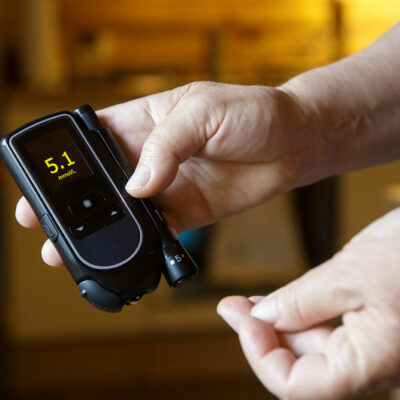
A low blood sugar level is a condition referred to as hypoglycemia. This condition is recognized when the blood sugar level drops below 70 mg/dl, and steps are needed to bring it back up to a healthy number. This type of blood sugar drop is especially common in type 1 diabetes. Some symptoms can help diagnose low blood sugar levels that impact health, and here are some observations to keep in mind. 1. Extreme hunger This is one of the typical signs and symptoms of a low blood sugar level. This is the body’s way of communicating that it needs food to raise its glucose levels. Some people may eat sugary substances to get that spike, but other foods can also help raise the glucose level. Carbohydrates help solve this issue; however, eating the right amount of carbohydrates to help in this situation is essential and can vary from person to person. So, always consult a nutritionist to know how to manage glucose levels when this symptom occurs. 2. Restless nights Nocturnal hypoglycemia is the term used to describe low blood sugar levels at night in a diabetic person. In this, the individual may experience signs and symptoms like night sweats, unrest, and confusion once awake, as well as episodes of waking up suddenly.
11 foods that may worsen COPD symptoms
health

11 foods that may worsen COPD symptoms

COPD, or chronic obstructive pulmonary disease, is a group of conditions that affect the lungs. Emphysema or chronic bronchitis are two of the most common forms of COPD. While it has no absolute cure, certain treatment options can help relieve the symptoms. One of the ways to manage and improve respiratory health is to monitor what one eats and recognize foods that can worsen COPD symptoms. So, here are a few foods to avoid: Sugary foods Foods rich in refined sugar, like baked goods, cookies, candies, sweet rolls, pies, and cobblers, can increase blood sugar levels and bloating. Furthermore, these foods can cause frequent energy crashes, making one feel fatigued. All of these factors can worsen COPD symptoms like wheezing, coughing, and breathlessness. Salty foods Frozen foods, salted nuts, and takeout meals may have a high amount of salt (sodium). Excessive sodium can make the body retain fluids. For those with COPD, this means an elevated risk of pulmonary hypertension or high blood pressure in the arteries of the lungs. These issues can lead to other COPD complications as well. So, it is important to monitor daily salt intake by checking food labels and choosing foods with low sodium. Processed meat Cured or processed meat has been associated with several health issues, including the worsening of COPD symptoms.
Stomach cancer and desmoid tumors – What they are and how they differ
health

Stomach cancer and desmoid tumors – What they are and how they differ

Stomach cancer and desmoid tumors are serious health conditions characterized by the unchecked growth of abnormal cells or tissues in one’s body. These diseases primarily affect the stomach and adjacent bodily structures, potentially impacting one’s overall well-being. Understanding how these conditions affect one’s organs, their different features and similarities, early signs, and available treatment options is essential for proactive healthcare management. Here is what one needs to know about both conditions: Gastric cancer and desmoid tumors – What they are Gastric cancer is also known as stomach cancer. It is characterized by the uncontrolled growth of abnormal cells within the inner stomach lining. These cells accumulate, forming a tumor that can invade nearby tissues and, in later stages, spread to distant parts of the body, a process known as metastasis. Genetic factors, previous stomach conditions like GERD or ulcers, or overexposure to coal, metal, or rubber can influence stomach cancer. Desmoid tumors, on the other hand, are abnormal growths that develop from the body’s connective tissues. Connective tissues serve as a support and link between one’s bones, ligaments, and muscles. A desmoid tumor is an extremely rare disease and usually grows slowly. Unlike cancer, these tumors don’t spread to other body parts.