11 best foods for managing anemia
health

11 best foods for managing anemia

Anemia is a prevalent health condition that develops when the body does not have enough red blood cells or hemoglobin to carry sufficient oxygen to the tissues. A common cause of this condition is a deficiency of iron, which can cause issues such as weakness, fatigue, paleness, dizziness, and shortness of breath. Here, in addition to seeking treatment for these symptoms, making better food choices can help in managing anemia.  Nutrition and anemia When dealing with anemia, it is crucial to choose foods rich in iron, as iron helps in the production of hemoglobin in red blood cells, thereby helping manage the condition. In addition to iron sources, one should opt for foods that help in the absorption of iron to maximize the benefits of this vital nutrient. Here, it is important for one to understand the difference between the two types of food-derived iron—heme iron and non-heme iron. Heme iron is commonly found in animal products, while non-heme iron is present in plant-based foods. Although both types contribute to increasing overall iron levels, optimizing each type’s absorption through a well-balanced meal plan is key to combating anemia and managing overall health. Best foods The following are a few common foods that one must consider adding to daily meals when dealing with anemia:

6 exclusions of a dental insurance plan
health

6 exclusions of a dental insurance plan

Healthcare is a crucial aspect of any country, and it can be quite expensive if an individual does not have insurance such as Medicare. One of the healthcare options available is dental insurance, which can help save a lot of money on annual appointments and treatments. However, many people are not aware of the limitations of dental insurance. Here are six things that dental insurance plans may not cover. Cosmetic dentistry Restorative dentistry might be necessary when it’s related to one’s well-being. However, insurance companies usually classify cosmetic dentistry as an elective procedure and may not cover the cost of treatment. One should also note that many cosmetic dentists use restorative procedures, such as porcelain crowns, dental implants, and tooth veneers, for restorative and cosmetic purposes. Therefore, insurance may cover some or all of one’s restorative procedures but will not cover elective cosmetic procedures. If a dental procedure is necessary due to decay, disease, an accident, or injury, it may be considered a restorative procedure, and the insurance may cover some or all of the cost. It’s also important to note that some restorative procedures may be covered under insurance if they serve a functional purpose, such as replacing missing teeth or improving the mechanics of a patient’s bite.
9 warning signs of lymphoma
health

9 warning signs of lymphoma

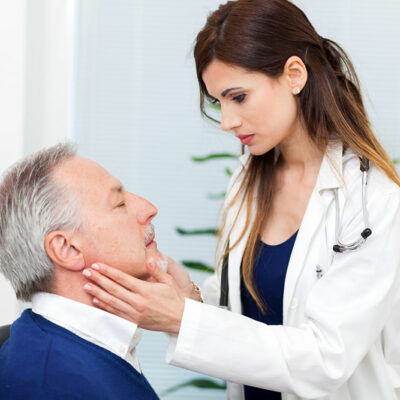
Lymphoma is a form of cancer that originates in the lymphatic system, a vital part of the immune system. It arises when either of the two types of lymphocytes (T cells or B cells) begin to multiply uncontrollably. There are two main categories of lymphoma: Hodgkin and non-Hodgkin. Identifying the type is crucial for devising a suitable treatment plan. The following are a few common warning signs of the condition. Swollen lymph nodes Lymph nodes are a critical part of the lymphatic system, located in various body parts, including the neck, groin, armpit, and spleen. They filter lymph fluid to eliminate harmful substances and fight off infections. Lymphoma leads to an abnormal multiplication of lymphocytes, which, in turn, causes one’s lymph nodes to enlarge and swell. As a result, one may notice swelling in the spleen, neck, armpits, or groin, which does not go away. The swelling is usually painless but can be painful in some cases. Itchy skin Persistent and unusual skin itching can also be a warning sign of lymphoma. One may experience itching all over the body or near affected lymph nodes. Persistent and unexplained itching in the hands, legs, or feet could point toward lymphoma. The itchiness results from the release of certain chemicals called cytokines.
12 supplements that help improve bone density
health

12 supplements that help improve bone density

Bones are the building blocks of the human body, providing it with a framework, supporting its movement, helping it store minerals, and protecting the organs. Here, bone density plays a key role in maintaining bone strength and preventing bone diseases. Low bone density indicates brittleness, which may eventually lead to health conditions like osteopenia and osteoporosis. Nevertheless, nutrition-based changes, like taking vitamin and mineral supplements, can help improve bone density and keep diseases at bay. 1. Calcium Calcium constitutes a major part of bone tissues and can help strengthen bones. While dairy products are major food sources of calcium, those with lactose intolerance may have to avoid dairy, which may reduce calcium intake and lower bone density. Today, several calcium supplements are available in the market. One can consult a nutritionist or doctor before opting for these products. 2. Vitamin D Vitamin D is an essential nutrient responsible for the absorption of calcium in the body. In fact, studies have shown that without adequate intake of vitamin D, the body absorbs only 10–15% of calcium derived from foods. Sunlight is a major source of vitamin D, so optimal exposure to sunlight is essential to increase vitamin D levels in the body.
Skin cancer – Types and warning signs
health

Skin cancer – Types and warning signs

Skin cancer is the most common type of cancer. It often develops on areas of the skin that are constantly exposed to the sun. Depending on the cells they affect, there are three major types of skin cancer: basal cell carcinoma, squamous cell carcinoma, and melanoma. Each of these conditions may manifest differently. Knowing their warning signs can help one detect skin cancer early and manage it before it spreads. Warning signs of basal cell carcinoma This is the most common type of skin cancer. It forms in the basal cells of the skin, which lie at the bottom of the epidermis. It usually affects the sun-exposed areas of the body, such as the face and neck. Common signs and symptoms include a small pink or red bump that is shiny, pearly, or translucent and may have black, blue, or brown spots; flat, flesh-colored, yellow, or brown scar-like lesion; lesions that bleed spontaneously without being irritated or picked; bleeding or scabbing open sore that doesn’t heal or heals and returns; pink growth with raised edges and a deflated center that may feature atypical blood vessels; and raised and itchy red patches. Warning signs of squamous cell carcinoma This is the second most common type of skin cancer, affecting over one million people yearly.
11 early warning signs of age-related macular degeneration
health

11 early warning signs of age-related macular degeneration

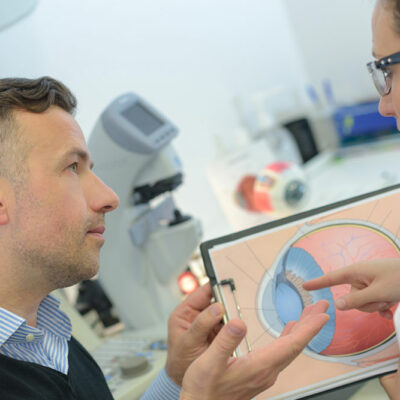
The eyes help one perceive different stimuli. Therefore, promptly diagnosing eye-related conditions is essential to ensure eye health. Age-related Macular Degeneration (AMD) is a progressive eye condition involving damage to the macula or a part of the retina situated at the back of the eye. Individuals aged 50 and above are particularly susceptible to this condition. This article discusses a few early warning signs of AMD that one shouldn’t ignore. Early warning signs of age-related macular degeneration In general, age-related macular degeneration is classified as dry and wet. Dry AMD involves gradual thinning of the retina caused by age and is characterized by symptoms like blurred vision and progressive vision loss. Wet AMD, considered a more serious condition than dry AMD, results from irregular growth of blood vessels in the retina, causing accumulation of fluid in the back of the eye. Dry AMD may gradually progress to wet AMD with time, particularly if left untreated. Some early warning signs of AMD are as follows: 1. Blurred vision Since AMD involves blood or fluid leakage from blood vessels into the macula, individuals with this disease may experience blurry vision. 2. Wavy appearance of straight lines Age-related macular degeneration significantly affects one’s central vision, which is indispensable in facilitating the recognition of shapes, lines, colors, etc.
9 acupressure points to help relieve pain
health

9 acupressure points to help relieve pain

Acupressure is an ancient alternative treatment. It involves applying pressure to specific points on the body that are believed to be connected to different internal organs, muscles, and nerves. These can help balance the body’s internal energy and give relief from various, often painful, conditions. It is recommended to talk to a doctor before opting for it. If one chooses an acupressure session, here are nine vital pressure points to know about. Forehead A vital acupressure point is located between the eyebrows. It is also traditionally referred to as the Yin Tang. Stimulating this point is said to help in better management of anxiety. In addition, the point can also help people who are dealing with sinus issues. Massaging this point can relieve any tension in the head, face, and eyes. This relief helps find improvement with sinusitis and its related symptoms, like headaches. Temples There is one pressure point present on each temple. These are denoted as the Tai Yang points. Massaging these points with a hint of pressure can help in relieving headaches. They are particularly beneficial for people who are dealing with migraine attacks. Massaging these points may help find some peace from an ongoing migraine. But when applying pressure to these points, be mindful of how they are being pressed.
7 tips to eat healthy on a budget
health

7 tips to eat healthy on a budget

Food prices are on the rise, and eating healthy may seem like a task given the hefty bills after a run to the grocery store or a dinner out with friends. That said, there are definitely ways to eat wholesome and satiating meals without dipping into one’s savings. For this, one needs to plan ahead and shop strategically. Here are a few other tips that can help one eat healthy food on a budget: 1. Buy whole foods Whole foods, or foods that aren’t processed to change their structure, can be surprisingly affordable. For instance, a pack of canned beans costs less than a pack of refried ones. Similarly, a block of cheese is much cheaper than shredded cheese. Consider buying whole fruits and vegetables instead of pre-chopped and packed salads. When considering per-serving costs, whole grains, oats, and brown rice are cheaper than most processed cereals. Additionally, buying fruits and vegetables that are in season is also a great way to incorporate soluble and insoluble fiber into one’s meals. Fruits and vegetables that are available all year tend to be a tad expensive.  Also, picking seasonal produce means that it is packed with nutrients and flavors. Moreover, buying produce by bag is a budget option rather than buying per piece.
Avoid These 10 New-parent Mistakes
health

Avoid These 10 New-parent Mistakes

Bringing home a newborn baby is a nerve-racking ordeal for first-time parents. They are worried about everything that is necessary to plan and follow. Even with all the help and guidance provided by friends and family members, new parents can forget about a few things that are necessary for taking good care of their child. Here are ten mistakes to avoid while taking care of the toddler at home. Not buying a car seat It is mandatory and required by law in many states to install a baby car seat. So have the seat installed weeks in advance and take the car for a few trial runs to see if everything works for the car seat as advertised. This is a critical piece of upgrade that ensures total safety. Car seats are not only comfortable but specially designed to ensure the baby stays secure and doesn’t sway too much when the car is moving. Panicking unnecessarily Newborns will cry, and they will fuss about every single thing at home. The infant is getting used to everything in and around the new home. So, it’s perfectly okay for the baby to make a fuss. And first-time parents don’t have to be anxious or nervous around their baby all the time.
Reasons to avoid tap water and drink purified water
health

Reasons to avoid tap water and drink purified water

Most countries provide the public with easily available tap water drinking stations, and this water is usually considered safe for consumption. The government and health bodies have a testing and treatment process in place to ensure that tap water meets regulatory standards provided by them. However, water can have a certain potential to cause harmful side effects for people. Here are some reasons why one must avoid drinking tap water and switch to purified water. Microbial contamination Improper treatment of drinking water can lead to the water being contaminated with parasites like bacteria and viruses. And prolonged exposure to these microbes can lead to health issues like stomach cramps, diarrhea, and vomiting.  Fluoride exposure Fluoride is added to drinking water sources to prevent dental decay. However, if there is an excess amount of fluoride present in the water source, it can also cause dental fluorosis. The condition can cause defects in tooth enamel and lead to discoloration of the teeth. Increased intake of fluoride can also increase the risk of skeletal fluorosis, leading to symptoms like bone pain, stiffness, and fractures. Exposure to nitrates and nitrites Groundwater sources can turn septic because of system leakage. It can be caused because of the introduction of nitrates and nitrites in the water.

Top Articles

Nail fungal infection – Causes, symptoms, and management
health

Nail fungal infection – Causes, symptoms, and management

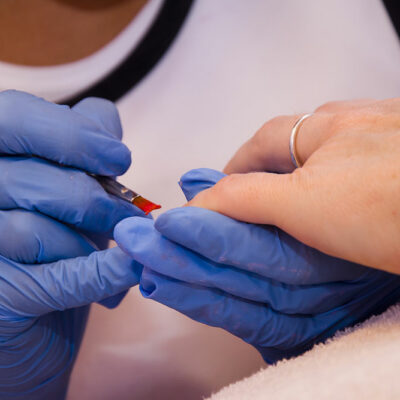
Fungus is normally present in the body, but when there is an overgrowth, it can lead to infection. One common infection is nail fungal infection, or onychomycosis or tinea unguium. It usually affects the toenails rather than the fingernails, causing them to become brittle and discolored. This infection develops over time, so any changes to the affected nails may be subtle initially. Here are some common types, causes, symptoms, and treatment measures for nail fungal infections. Types of nail fungal infections In general, there are four types of nail fungal infections. Distal or lateral subungual onychomycosis This is a common nail fungal infection caused by a type of fungus known as dermatophyte. This infection can occur in both toenails and fingernails. It usually starts as a yellowish-colored patch in the nail bed, right under the nail. Over time, this patch spreads to the center of the nail from the edges, causing the nail to separate from the nail bed. Candidal onychomycosis This type of infection is caused by yeast. It mostly occurs in the fingernails. The yeast causes the area around the infected nail to become inflamed and swollen. Sometimes, the nail might come off entirely from the nail bed.
Bipolar disorder – Its types and early signs
health

Bipolar disorder – Its types and early signs

Bipolar disorder is a mental health disorder characterized by extreme moods, either significantly high or low. The high periods are referred to as mania or hypomania, and the low moods are called depression. However, the moods can sometimes be concurrent, meaning individuals with bipolar disorder may have manic and depressive symptoms at once. The condition is usually difficult to diagnose; however, some signs can detect bipolar disorder early, and treatment can be started accordingly. Types and symptoms Often, the signs and symptoms of bipolar disorder overlap with those of other conditions, so it becomes difficult to diagnose it timely, which can delay treatment. However, there are now some criteria laid out by the Diagnostic and Statistical Manual of Mental Disorders that help recognize bipolar disorder. There are four types of bipolar disorders, and the symptoms vary according to the type of the condition. These are as follows: 1. Bipolar I This type is diagnosed when the individual experiences manic episodes. The symptoms are as follows: This includes a significant shift in the behavior and mood of the person. These mood changes are often unlike the person’s personality or usual behavior, making it evident that something is wrong. A manic episode is also considered manic when it is present most of the day and nearly daily.
8 early signs of seizures
health

8 early signs of seizures

Seizures occur when changes in the brain’s electrical activity cause sudden changes in movement, sensation, awareness, thought, or behavior. Depending on the part of the brain involved, they are categorized into three main types – focal onset seizures, generalized onset seizures, and unknown onset seizures. Although seizures may present themselves differently and with varying intensities, recognizing their early signs is crucial for timely support and intervention. Some of the most commonly reported signs of a seizure include: Aura People who experience seizures often describe feeling an aura beforehand. This sensation can include a variety of feelings, such as visual, auditory, or olfactory sensations, pain, numbness, or headaches. Some examples of aura symptoms include a wave-like sensation that travels through the head, twitching or stiffening of the arm or hand, a feeling of falling or riding a roller coaster in the stomach, an unusual taste or smell, hearing unexplained sounds or music, experiencing sudden, intense emotions like fear, happiness, or anxiety, tingling or numbness, hallucinations, or seeing colored or flashing lights. According to research, around 65 percent of people with generalized epilepsy experience seizures. Auras can be a warning sign of an oncoming seizure, signaling that it may be time to seek assistance and move to a safer place.
Hypoglycemia – 10 signs of low blood sugar
health

Hypoglycemia – 10 signs of low blood sugar

A low blood sugar level is a condition referred to as hypoglycemia. This condition is recognized when the blood sugar level drops below 70 mg/dl, and steps are needed to bring it back up to a healthy number. This type of blood sugar drop is especially common in type 1 diabetes. Some symptoms can help diagnose low blood sugar levels that impact health, and here are some observations to keep in mind. 1. Extreme hunger This is one of the typical signs and symptoms of a low blood sugar level. This is the body’s way of communicating that it needs food to raise its glucose levels. Some people may eat sugary substances to get that spike, but other foods can also help raise the glucose level. Carbohydrates help solve this issue; however, eating the right amount of carbohydrates to help in this situation is essential and can vary from person to person. So, always consult a nutritionist to know how to manage glucose levels when this symptom occurs. 2. Restless nights Nocturnal hypoglycemia is the term used to describe low blood sugar levels at night in a diabetic person. In this, the individual may experience signs and symptoms like night sweats, unrest, and confusion once awake, as well as episodes of waking up suddenly.
11 foods that may worsen COPD symptoms
health

11 foods that may worsen COPD symptoms

COPD, or chronic obstructive pulmonary disease, is a group of conditions that affect the lungs. Emphysema or chronic bronchitis are two of the most common forms of COPD. While it has no absolute cure, certain treatment options can help relieve the symptoms. One of the ways to manage and improve respiratory health is to monitor what one eats and recognize foods that can worsen COPD symptoms. So, here are a few foods to avoid: Sugary foods Foods rich in refined sugar, like baked goods, cookies, candies, sweet rolls, pies, and cobblers, can increase blood sugar levels and bloating. Furthermore, these foods can cause frequent energy crashes, making one feel fatigued. All of these factors can worsen COPD symptoms like wheezing, coughing, and breathlessness. Salty foods Frozen foods, salted nuts, and takeout meals may have a high amount of salt (sodium). Excessive sodium can make the body retain fluids. For those with COPD, this means an elevated risk of pulmonary hypertension or high blood pressure in the arteries of the lungs. These issues can lead to other COPD complications as well. So, it is important to monitor daily salt intake by checking food labels and choosing foods with low sodium. Processed meat Cured or processed meat has been associated with several health issues, including the worsening of COPD symptoms.
Stomach cancer and desmoid tumors – What they are and how they differ
health

Stomach cancer and desmoid tumors – What they are and how they differ

Stomach cancer and desmoid tumors are serious health conditions characterized by the unchecked growth of abnormal cells or tissues in one’s body. These diseases primarily affect the stomach and adjacent bodily structures, potentially impacting one’s overall well-being. Understanding how these conditions affect one’s organs, their different features and similarities, early signs, and available treatment options is essential for proactive healthcare management. Here is what one needs to know about both conditions: Gastric cancer and desmoid tumors – What they are Gastric cancer is also known as stomach cancer. It is characterized by the uncontrolled growth of abnormal cells within the inner stomach lining. These cells accumulate, forming a tumor that can invade nearby tissues and, in later stages, spread to distant parts of the body, a process known as metastasis. Genetic factors, previous stomach conditions like GERD or ulcers, or overexposure to coal, metal, or rubber can influence stomach cancer. Desmoid tumors, on the other hand, are abnormal growths that develop from the body’s connective tissues. Connective tissues serve as a support and link between one’s bones, ligaments, and muscles. A desmoid tumor is an extremely rare disease and usually grows slowly. Unlike cancer, these tumors don’t spread to other body parts.