8 mistakes to avoid when visiting the doctor
health

8 mistakes to avoid when visiting the doctor

Scheduling regular doctor appointments is essential. It helps people stay up to speed with their health status, preventive care, and timely treatments, where necessary. However, some people start to panic at the mere thought of scheduling a doctor’s appointment. But going to the doctor does not equate to bad news. In fact, attending the doctor’s consultation prepared helps one better understand one’s overall health and the necessary steps to maintain it in the future. Not being prepared Arriving at the doctor’s appointment unprepared can hinder the efficiency of the consultation.  Without  adequate information about an individual’s health history, symptoms, or questions, one may  miss out on  valuable insights and recommendations from the doctor.  Before the appointment, take the time to gather relevant information, current symptoms, and any questions or concerns one has. Bring along records of any health issue history, test results, or treatment lists to provide the doctor with a comprehensive overview. Being prepared will help ensure a productive and informative consultation. Withholding information Failing  to disclose important information to the doctor  could be a mistake .  It compromises the accuracy of the diagnosis and the treatment plan. Whether it’s omitting details about one’s prior conditions, lifestyle habits, or symptoms, withholding information can lead to misdiagnosis or inappropriate treatment.

12 warning signs of psoriasis to be aware of
health

12 warning signs of psoriasis to be aware of

Psoriasis is  a type of  autoimmune skin disorder marked by chronic inflammation and a rapid overproduction of skin cells. This chronic condition leads to an overactive immune system, affecting the whole body. It is more common among adults, especially those aged between 40 and 59  years . There are several types of psoriasis ;  the most common one  is  plaque psoriasis.  External factors like skin injury, throat infection, or certain treatment options usually cause psoriasis. Warning signs of psoriasis In psoriasis, people  can develop different signs and symptoms,  varying from one person to another. The symptoms also depend on which  type of psoriasis  one has .  If one experiences any  of the  common warning signs of psoriasis, they should seek medical help. Plaque Psoriasis forms thick, red patches on the skin that are often covered with silvery flakes on the skin called scales. People can notice significant and sudden changes in the way their skin looks. The raised, inflamed patches, seen mainly on the elbows, scalp, knees, and lower back, can surface anywhere on the body. Sometimes, these patches merge, creating larger patches that may be sore to tough or cause irritation. One may get a sensation of itching the affected area constantly.
Top 5 errors to avoid when considering a medical alert system
health

Top 5 errors to avoid when considering a medical alert system

For many seniors, mobility and muscle coordination become an issue after a certain age. In such situations, older adults face an increased risk of falling, potentially leading to a health crisis. To avoid this, having a medical alert system can help them get assistance without delay. These devices improve the safety and well-being of people with chronic conditions or advanced age. However, when buying these devices, one must consider various factors and avoid common mistakes. Assuming medical alert devices are only for seniors who live alone While it is true that seniors who do not live alone are less likely to require a medical alert system, it is always better to be prepared than to encounter an unfortunate incident. This is because family and caregivers can’t monitor a senior 24/7. They have other responsibilities and engagements, which makes it difficult to be in the constant immediate presence of the senior person. Sometimes, the caregiver can be in another part of the house during a health emergency. In such cases, a medical alert system would immediately alert the caregiver instead of waiting for them to check in on the senior later. A medical alert system ensures that assistance is always available, even for seniors who have a caregiver or family member looking after them.
6 surprising benefits of Medicare Advantage plans
health

6 surprising benefits of Medicare Advantage plans

The government provides Medicare and health insurance for older individuals over 65 or those with disabilities or life-long diseases like kidney failure. Medicare can pay for one’s treatments and take off some of the financial burden during emergencies. Medicare Advantage plans act as an add-on service approved by Medicare but provided by private health insurance companies. These provided all the benefits of Medicare plus added benefits that the federal government doesn’t cover. What is a medicare advantage plan? Medicare has different types of plans. The most common ones are Original Medicare, Part A, and Part B. Part A is also called hospital insurance. As the term suggests, it covers all inpatient service costs, home care services, and nursing expenses of the patients when admitted to the hospital. Part B is medical insurance and covers medical supply expenses, routine doctor visits, outpatient care, and preventive services. One can also sign up for a Medicare Advantage Plan (Part C). Apart from providing all the benefits of the previous two plans, Part C provides added coverage like vision, hearing, dental, and health and wellness programs. These plans are also referred to as “MA Plans,” and private companies approved by Medicare offer them to customers.
Tree pollen allergy – Symptoms, types, and prevention
health

Tree pollen allergy – Symptoms, types, and prevention

Tree pollen is a common trigger for allergies when plants start flowering around springtime. In some regions, trees may release pollen at the beginning of January and continue until June. Often, trees yield dry, light pollen carried for miles by the wind. Some think tree pollen will not affect them because they reside in a city, which is untrue. Tree pollen allergy can affect anyone because the fine particles travel quickly through the air. Symptoms of tree pollen allergy Pollen allergies from trees or plants can cause symptoms that resemble hay fever or allergic rhinitis. When the body comes in contact with pollen, it overreacts and soon releases a chemical histamine to shield against the allergen. This excess histamine release may trigger the following symptoms: – Itchy throat – Sneezing – Coughing – Runny nose – Itchy eyes – Watery eyes – Itchy nose – Itchiness on or at the mouth’s roof – Nasal congestion – Postnasal drip – Feeling irritated – Tiredness – Swelling around the eyes – Disturbed sleep Asthma can aggravate tree pollen symptoms. Sometimes, one may be confused between the two because their signs are almost the same. If a symptom appears in the first few months of the year, it is probably induced by a tree pollen. Still, one should consult an expert if unsure about the cause and the symptoms persist.
14 brain-boosting foods that help fight dementia
health

14 brain-boosting foods that help fight dementia

Nutrition plays a crucial in maintaining brain health and function. A healthy meal plan is believed to contribute to the prevention of cognitive decline, including conditions like dementia—a term for issues like the loss of memory, language, problem-solving, and other thinking abilities. Even when diagnosed with dementia, the right nutritional regimen can help in managing the condition, maintaining overall health, and minimizing the impact of the condition’s symptoms on daily life.  Foods to consider 1. Leafy greens Leafy green vegetables like Swiss Chard, spinach, collard greens, and kale are rich in B9 and folate, which can boost cognition and mood. One can add these veggies to daily meal plans by making veggie salads, adding the greens to chilis, stews, and soups, and pureeing them and adding to hummus, pesto, and sauces. 2. Legumes Foods like peanuts, beans, and pulses contain protein, iron, and fiber, which can help improve insulin sensitivity, glucose regulation, and cognitive function. The nutrients can also help prevent blocked arteries that trigger strokes or increase blood pressure. One can cook legumes and add them to daily meals. 3. Berries Blackberries, blueberries, cherries, and raspberries are rich in fiber and antioxidants, which can help with digestion and reduce inflammation, respectively.
Foods to avoid when one has multiple sclerosis
health

Foods to avoid when one has multiple sclerosis

Adding certain foods to  one’s  daily meal regime can help one stay healthy. On the contrary, some foods may worsen  one’s  health. Further, the choice of foods in  one’s  meal is particularly crucial if one has multiple sclerosis. Poor food choices may trigger inflammatory changes that aggravate the condition. In addition, certain foods may result in worsening multiple sclerosis symptoms, such as bladder and bowel function, cognitive changes, and fatigue.  Damage to the myelin sheath triggers this autoimmune  disease’s  symptoms. This sheath sends signals between the spinal cord and brain to other body parts. A faulty sheath can cause the nervous system to misfire messages. So, following a nutritious meal plan can be useful  when one has  multiple sclerosis. Ideally, low-fat, fiber-rich, heart-healthy meals can be beneficial. It is important to learn about the different types of foods to avoid with multiple sclerosis. Saturated fats Full-fat dairy Palm oil Coconut oil Why avoid them? Saturated fats cause inflammation and also also increase the probability of conditions, such as hyperlipidemia, hypertension, and cardiovascular diseases that make multiple sclerosis more challenging. In addition to this, it can also cause high cholesterol that can result in atherosclerosis, which can put one at risk of stroke and heart attack. So, it’s best to avoid foods that are high in saturated fats.
8 mistakes to avoid when using a toothpaste
health

8 mistakes to avoid when using a toothpaste

A dental hygiene routine is incomplete without using toothpaste. While it seems quite easy to use toothpaste, many people commit a few mistakes that can put their dental health at risk. These mistakes involve not checking the label of ingredients, using too much whitening toothpaste, etc. Toothpaste generally contains several compounds and chemicals that might harm the teeth and overall health. So, one must watch out for these harmful ingredients for better dental hygiene. 1. Not paying attention to the ingredients Every brand has a different list of ingredients that they use to make their range of toothpaste. Some of these ingredients might not be suitable for every person. For example, certain toothpastes contain sodium lauryl sulfate (SLS), which usually helps to build up the soapy foam consistency. For some people, this ingredient may trigger irritation. Besides this, many toothpastes contain fluoride. Some percentage of this compound is considered essential in toothpaste for the prevention of cavities. However, some people may have fluoride sensitivity, which can trigger allergies or other symptoms if they use fluoride-based toothpaste. So, in such cases, fluoride-free options are more suitable. This is why it is important to always check the label for the ingredients and know whether all of these are safe for use.

Top Articles

Nail fungal infection – Causes, symptoms, and management
health

Nail fungal infection – Causes, symptoms, and management

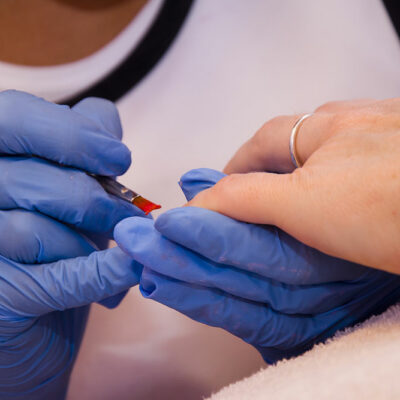
Fungus is normally present in the body, but when there is an overgrowth, it can lead to infection. One common infection is nail fungal infection, or onychomycosis or tinea unguium. It usually affects the toenails rather than the fingernails, causing them to become brittle and discolored. This infection develops over time, so any changes to the affected nails may be subtle initially. Here are some common types, causes, symptoms, and treatment measures for nail fungal infections. Types of nail fungal infections In general, there are four types of nail fungal infections. Distal or lateral subungual onychomycosis This is a common nail fungal infection caused by a type of fungus known as dermatophyte. This infection can occur in both toenails and fingernails. It usually starts as a yellowish-colored patch in the nail bed, right under the nail. Over time, this patch spreads to the center of the nail from the edges, causing the nail to separate from the nail bed. Candidal onychomycosis This type of infection is caused by yeast. It mostly occurs in the fingernails. The yeast causes the area around the infected nail to become inflamed and swollen. Sometimes, the nail might come off entirely from the nail bed.
Bipolar disorder – Its types and early signs
health

Bipolar disorder – Its types and early signs

Bipolar disorder is a mental health disorder characterized by extreme moods, either significantly high or low. The high periods are referred to as mania or hypomania, and the low moods are called depression. However, the moods can sometimes be concurrent, meaning individuals with bipolar disorder may have manic and depressive symptoms at once. The condition is usually difficult to diagnose; however, some signs can detect bipolar disorder early, and treatment can be started accordingly. Types and symptoms Often, the signs and symptoms of bipolar disorder overlap with those of other conditions, so it becomes difficult to diagnose it timely, which can delay treatment. However, there are now some criteria laid out by the Diagnostic and Statistical Manual of Mental Disorders that help recognize bipolar disorder. There are four types of bipolar disorders, and the symptoms vary according to the type of the condition. These are as follows: 1. Bipolar I This type is diagnosed when the individual experiences manic episodes. The symptoms are as follows: This includes a significant shift in the behavior and mood of the person. These mood changes are often unlike the person’s personality or usual behavior, making it evident that something is wrong. A manic episode is also considered manic when it is present most of the day and nearly daily.
8 early signs of seizures
health

8 early signs of seizures

Seizures occur when changes in the brain’s electrical activity cause sudden changes in movement, sensation, awareness, thought, or behavior. Depending on the part of the brain involved, they are categorized into three main types – focal onset seizures, generalized onset seizures, and unknown onset seizures. Although seizures may present themselves differently and with varying intensities, recognizing their early signs is crucial for timely support and intervention. Some of the most commonly reported signs of a seizure include: Aura People who experience seizures often describe feeling an aura beforehand. This sensation can include a variety of feelings, such as visual, auditory, or olfactory sensations, pain, numbness, or headaches. Some examples of aura symptoms include a wave-like sensation that travels through the head, twitching or stiffening of the arm or hand, a feeling of falling or riding a roller coaster in the stomach, an unusual taste or smell, hearing unexplained sounds or music, experiencing sudden, intense emotions like fear, happiness, or anxiety, tingling or numbness, hallucinations, or seeing colored or flashing lights. According to research, around 65 percent of people with generalized epilepsy experience seizures. Auras can be a warning sign of an oncoming seizure, signaling that it may be time to seek assistance and move to a safer place.
Hypoglycemia – 10 signs of low blood sugar
health

Hypoglycemia – 10 signs of low blood sugar

A low blood sugar level is a condition referred to as hypoglycemia. This condition is recognized when the blood sugar level drops below 70 mg/dl, and steps are needed to bring it back up to a healthy number. This type of blood sugar drop is especially common in type 1 diabetes. Some symptoms can help diagnose low blood sugar levels that impact health, and here are some observations to keep in mind. 1. Extreme hunger This is one of the typical signs and symptoms of a low blood sugar level. This is the body’s way of communicating that it needs food to raise its glucose levels. Some people may eat sugary substances to get that spike, but other foods can also help raise the glucose level. Carbohydrates help solve this issue; however, eating the right amount of carbohydrates to help in this situation is essential and can vary from person to person. So, always consult a nutritionist to know how to manage glucose levels when this symptom occurs. 2. Restless nights Nocturnal hypoglycemia is the term used to describe low blood sugar levels at night in a diabetic person. In this, the individual may experience signs and symptoms like night sweats, unrest, and confusion once awake, as well as episodes of waking up suddenly.
11 foods that may worsen COPD symptoms
health

11 foods that may worsen COPD symptoms

COPD, or chronic obstructive pulmonary disease, is a group of conditions that affect the lungs. Emphysema or chronic bronchitis are two of the most common forms of COPD. While it has no absolute cure, certain treatment options can help relieve the symptoms. One of the ways to manage and improve respiratory health is to monitor what one eats and recognize foods that can worsen COPD symptoms. So, here are a few foods to avoid: Sugary foods Foods rich in refined sugar, like baked goods, cookies, candies, sweet rolls, pies, and cobblers, can increase blood sugar levels and bloating. Furthermore, these foods can cause frequent energy crashes, making one feel fatigued. All of these factors can worsen COPD symptoms like wheezing, coughing, and breathlessness. Salty foods Frozen foods, salted nuts, and takeout meals may have a high amount of salt (sodium). Excessive sodium can make the body retain fluids. For those with COPD, this means an elevated risk of pulmonary hypertension or high blood pressure in the arteries of the lungs. These issues can lead to other COPD complications as well. So, it is important to monitor daily salt intake by checking food labels and choosing foods with low sodium. Processed meat Cured or processed meat has been associated with several health issues, including the worsening of COPD symptoms.
Stomach cancer and desmoid tumors – What they are and how they differ
health

Stomach cancer and desmoid tumors – What they are and how they differ

Stomach cancer and desmoid tumors are serious health conditions characterized by the unchecked growth of abnormal cells or tissues in one’s body. These diseases primarily affect the stomach and adjacent bodily structures, potentially impacting one’s overall well-being. Understanding how these conditions affect one’s organs, their different features and similarities, early signs, and available treatment options is essential for proactive healthcare management. Here is what one needs to know about both conditions: Gastric cancer and desmoid tumors – What they are Gastric cancer is also known as stomach cancer. It is characterized by the uncontrolled growth of abnormal cells within the inner stomach lining. These cells accumulate, forming a tumor that can invade nearby tissues and, in later stages, spread to distant parts of the body, a process known as metastasis. Genetic factors, previous stomach conditions like GERD or ulcers, or overexposure to coal, metal, or rubber can influence stomach cancer. Desmoid tumors, on the other hand, are abnormal growths that develop from the body’s connective tissues. Connective tissues serve as a support and link between one’s bones, ligaments, and muscles. A desmoid tumor is an extremely rare disease and usually grows slowly. Unlike cancer, these tumors don’t spread to other body parts.